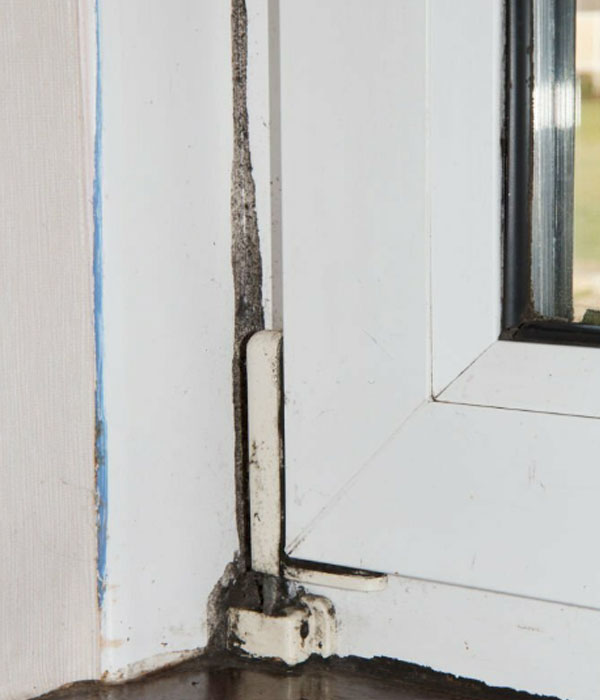
Dry rot is one of the most insidious threats to the structural integrity of homes and properties in the UK. Unlike other forms of timber decay, it can spread rapidly, causing extensive damage before many homeowners even realise there’s a problem. At London Damp Proofing, we specialise in comprehensive dry rot treatment solutions, helping homeowners protect their properties and preserve the value and safety of their homes.
With over 16 years of experience, our family-run business has earned a reputation for professional, reliable, and efficient services across London and Essex. In this blog, we’ll explore what dry rot is, how to identify it, what causes it, and how our dry rot specialists can eliminate it effectively. Plus, we’ll share tips on prevention and answer some of the most common questions homeowners ask about this destructive fungus. Whether you’re noticing suspicious cracks in your timber or you simply want to safeguard your property, this guide is essential reading. Contact us today for reliable and trusted dry rot treatments.
What is Dry Rot?
Dry rot is a type of wood-decaying fungus, scientifically known as Serpula lacrymans. Unlike wet rot, dry rot can spread through timber and other building materials, even in areas where moisture levels are relatively low. This makes it particularly dangerous, as an untreated outbreak can compromise walls, floors, and ceilings, leading to structural instability.
Key characteristics of dry rot include:
• Dry, Brittle, and Crumbly Timber
Affected timber often feels weak and fragile, breaking easily when touched or handled. This brittleness is a clear indicator that the wood is being consumed by dry rot.
• Cuboidal Cracks or Fractures
Dry rot causes timber to split in square or rectangular-shaped cracks, often appearing along grain lines. These fractures are a telltale sign of structural decay.
• Shrinking Timber
Wood affected by dry rot can shrink and warp, causing doors, window frames, or flooring to no longer fit properly. This deformation is a sign that the wood’s integrity is compromised.
• Darker Colouration
Timber may darken to a reddish or brown hue, contrasting with healthy wood. This change in colour signals that the fungus is feeding on the wood and altering its natural properties.
Left unchecked, dry rot can threaten the integrity of your property and require extensive, costly repairs.
What causes Dry Rot?
Dry rot is a destructive wood-decaying fungus that can wreak havoc on your property if left untreated. However, it doesn’t simply appear out of nowhere – it requires specific conditions to develop and spread. Understanding these factors is key to both prevention and effective treatment.
Dry rot typically occurs when airborne spores come into contact with damp timber, especially wood that has a moisture content of over 20%. Once the spores settle on a suitable surface, they begin to germinate, creating a network of mycelium, a thick, cotton-wool-like growth that covers and penetrates the timber. This mycelium digests the wood, weakening its structure and making it more susceptible to further fungal invasion.
The lifecycle of dry rot can be broken down into three main stages:
1. Spore Germination
Dry rot begins with spores, which are microscopic and carried through the air. When these spores land on timber with the right level of dampness, they start to germinate. At this stage, the fungus is small and relatively invisible, which is why dry rot can often go undetected until significant damage has occurred. The key factor here is moist timber – even hidden damp areas behind walls or under flooring can be enough for spores to take hold.
2. Mycelium Growth
Once germinated, the spores grow into mycelium, a thick, white, cottony mass that spreads over and into the wood. This growth consumes the timber’s nutrients and draws moisture from it, leaving the wood dry, brittle, and structurally compromised. Mycelium can also extend into surrounding materials, such as plaster or masonry, allowing the fungus to travel beyond the initial timber source. This makes dry rot particularly dangerous, as the damage can escalate quickly and silently.
3. Sporophore Formation
As the mycelium matures, it develops sporophores, or fruiting bodies, which often appear as orange-brown mushroom-like structures on timber surfaces. These sporophores generate new spores, which are released into the air to start the cycle again. This stage is what allows dry rot to spread rapidly through a property if left untreated, infecting previously unaffected timber and materials.
Because dry rot has the ability to penetrate timber and other building materials, it is vital to address even small outbreaks immediately. Ignoring the problem allows it to spread, leading to weakened structures, expensive repairs, and potential safety hazards for occupants.
How To Identify Dry Rot in Your Property
Early detection is key to preventing structural damage. Here are some common signs of dry rot to watch out for:
• Cuboidal cracks in timber, often square-shaped fractures
• Brittle and crumbling timber that easily breaks when handled
• Shrinking or warping timber
• Darkened wood, sometimes with a reddish-brown hue
• Flooring that feels bouncy or is pulling away from skirting boards
• Fruiting bodies: orange-brown, mushroom-like structures appearing on timber or walls
• A musty, damp smell in affected areas
If you suspect dry rot in your property, it’s essential to contact us immediately. Attempting DIY fixes often worsens the problem and can lead to more costly repairs.
Dry Rot Treatment Specialists: How Can We Help?
At London Damp Proofing, we provide fully comprehensive dry rot solutions tailored to your property’s specific needs. Our services are designed to eradicate the fungus, prevent recurrence, and restore the integrity of your home.
Our Approach to Dry Rot Treatment
We have developed a refined three-step treatment process that ensures effective results:
Contact & Inspection
• Discuss your requirements with our experts.
• We visit your property to inspect and test affected areas.
• A FREE no-obligation quote is provided, detailing the work needed.
Treatment
• Depending on severity, we apply an effective anti-fungal solution or remove and replace affected timber.
• Disruption is minimised wherever possible, allowing you to continue with daily life.
Completion
• We clear all waste and ensure your property is clean and tidy.
• Your walls, floors, and timber are restored to a dry rot-free state.
Don’t wait until dry rot causes serious damage – contact London Damp Proofing today to schedule your inspection and receive a FREE no-obligation quote. Let our specialists protect your home and restore your peace of mind!
The Importance of Treating Dry Rot
Ignoring dry rot can have serious consequences. Here’s why prompt action is critical:
Protect Your Property
Dry rot attacks the very structure of your home, weakening timber and potentially compromising walls, floors, and ceilings. By treating dry rot early, you prevent further structural decay, preserving the integrity and safety of your property. Timely intervention also helps extend the lifespan of your home, avoiding costly repairs that could arise if the fungus is left unchecked.
Stop the Spread
Dry rot is highly aggressive and can spread quickly from one area of timber to another. It doesn’t just stay confined to its original location – it can penetrate plaster, masonry, and even bricks, causing damage that escalates rapidly. Acting immediately allows specialists to contain and eliminate the infestation, preventing it from spreading throughout your home and saving you from extensive structural repairs.
Safeguard Your Health
Damp environments, which encourage dry rot growth, can contribute to a range of respiratory issues and other health problems, including asthma and allergies. Treating dry rot not only protects your property but also improves indoor air quality and creates a safer, healthier living environment for you and your family. This makes prompt treatment essential not just for your home, but for your well-being too.
By addressing dry rot promptly, you protect your home, prevent further damage, and ensure a safe living environment for your family. Don’t underestimate the impact of this fungus – early intervention can save you time, money, and stress, keeping your property strong and secure for years to come.
How To Prevent Dry Rot
Preventing dry rot is just as important as treating it. Here are some tips to protect your property:
• Control Moisture Levels
Ensure timber has a moisture content below 20%. Use dehumidifiers if necessary.
• Maintain Proper Ventilation
Airflow in roof spaces, basements, and cupboards helps prevent damp conditions.
• Fix Leaks Promptly
Leaking roofs, pipes, or gutters create ideal conditions for dry rot.
• Use Treated Timber
Pressure-treated or preservative-treated wood is more resistant to fungal attack.
• Regular Inspections
Annual checks can catch early signs of dry rot before they escalate.
By following these preventive measures, you can safeguard your property and avoid costly structural damage.
In Conclusion: Protect Your Home Before It’s Too Late
Dry rot is a serious threat to your property, but with timely identification, professional treatment, and preventive measures, you can protect your home from extensive damage. Early intervention not only preserves the structural integrity of your property but also prevents costly repairs in the future. Regular inspections and awareness of the warning signs can make all the difference in keeping your home safe. At London Damp Proofing, we offer expert dry rot solutions backed by over 16 years of experience, tailored to suit your property’s needs. Our team uses proven methods and high-quality treatments to eradicate dry rot completely and prevent recurrence, giving you peace of mind.
Don’t wait until the damage is irreversible. Every moment counts when dealing with dry rot, as it can spread silently through timber and other materials. Taking action now ensures your home remains safe, secure, and dry for years to come. Contact us today for a quote and let our dry rot specialists restore and protect your home. With London Damp Proofing, you can trust that your property is in capable, experienced hands, and we’ll guide you every step of the way.
FAQs – Dry Rot Treatment
What is the difference between dry rot and wet rot?
Dry rot spreads faster and can travel through materials other than timber, while wet rot requires consistently damp timber to survive.
Can I treat dry rot myself?
DIY solutions are generally ineffective and can make the problem worse. Professional treatment is recommended.
How quickly does dry rot spread?
Dry rot can spread rapidly, especially in poorly ventilated or damp areas, potentially affecting entire structures within months.
Is dry rot dangerous to health?
While not directly harmful, the damp conditions that promote dry rot can contribute to respiratory issues.
Will insurance cover dry rot treatment?
Coverage varies by provider. Homeowners should check their policy or speak with an insurance advisor.
How do I know if my property is at risk?
Properties with high humidity, leaks, or poor ventilation are most vulnerable. Regular inspections are essential.
What is the lifespan of treated timber?
Properly treated timber can last decades without recurring dry rot if conditions remain dry.
Can dry rot return after treatment?
If moisture problems are not addressed, dry rot may recur. Complete treatment and moisture control are vital.
Do you provide guarantees?
Yes, our treatments are backed by professional guarantees, ensuring peace of mind for our clients.
How quickly can you attend to dry rot cases?
We prioritise urgent cases and aim to provide rapid inspection and treatment to prevent further damage.
If you suspect dry rot in your property or simply want peace of mind, call London Damp Proofing today. Our friendly and professional team will inspect your home, provide a quote, and deliver comprehensive dry rot treatment to safeguard your property for years to come. Protect your home. Preserve its value. Enjoy a dry rot-free property with London Damp Proofing.