
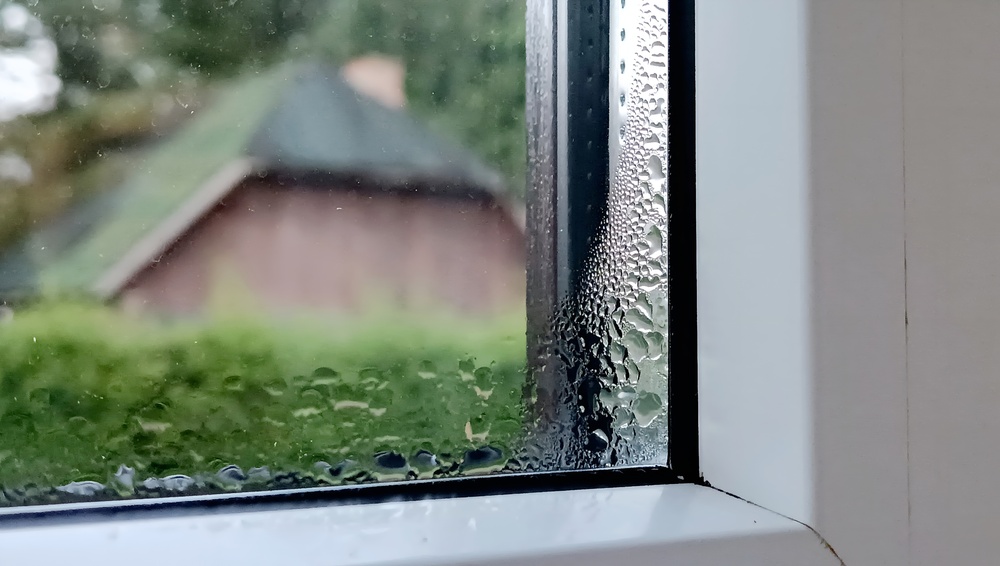
Winter can make it harder to keep your home warm, comfortable and free from excess moisture. As temperatures fall, windows and external walls become colder, while everyday activities such as cooking, showering and drying clothes continue to release water vapour. When that moisture has nowhere to go, condensation can form, creating conditions in which mould may develop.
London Damp Proofing helps homeowners across Essex and into London tackle condensation and other damp-related problems. As a friendly, family-run business with more than 16 years of experience, the company provides tailored remedial solutions and FREE no-obligation quotes. Here is how you can reduce moisture, improve ventilation and help protect your home throughout the colder months.
What is condensation and what causes it?
Condensation occurs when warm, moisture-laden air meets a colder surface. As the air cools, it releases some of its water vapour as droplets. You may notice this on windows, mirrors, cold external walls or tiled surfaces, particularly in the morning or after cooking and bathing.
Winter makes glass, corners and poorly insulated walls colder. Windows also tend to stay closed, reducing fresh-air movement and allowing moisture to build up.
Showering, cooking, washing dishes, breathing and drying laundry all add moisture to indoor air.
Other damp causes include leaking roofs, damaged gutters, plumbing faults, cracks and high external ground levels. Rising damp occurs when moisture travels upwards through masonry. These problems need different solutions, so do not assume every damp patch is condensation.
Signs include water on windows, black mould around frames or behind furniture, musty smells, and blue or green mould on leather or wood. Recurring mould, damaged plaster or unexplained wet patches warrant an assessment.
How To Prevent Damp & Condensation in Your Home This Winter
A few consistent changes can make a noticeable difference to moisture levels. Aim to limit unnecessary water vapour, allow humid air to escape, keep surfaces reasonably warm and deal with building defects. No single measure works in every property, but combining these habits can reduce condensation.
It is also worth remembering that prevention is easier when you understand how your household uses each room. Bedrooms may need attention first thing in the morning, while kitchens and bathrooms produce short bursts of high humidity. Make ventilation part of those routines rather than waiting for visible water to appear. Check less-used rooms too, as closed doors and limited heating can allow moisture to collect unnoticed during colder weather all through the colder winter months.
1. Ventilate your home every day
Fresh air helps remove moisture before it settles on cold surfaces. Open windows for short periods when practical, particularly after showering, cooking or cleaning. Brief ventilation can replace humid indoor air without leaving rooms cold for long.
Keep internal doors closed while bathing or cooking so moisture does not spread. Use extractor fans where fitted and leave them running after the activity has finished. Make sure vents are not blocked by furniture, dust or decorations.
2. Use kitchen and bathroom extractor fans
Cooking and bathing release moisture quickly. Switch on extractor fans before you start, keep them running during the activity and allow them to continue afterwards. If a fan is noisy or ineffective, it may need cleaning, repair or replacement.
When cooking, cover pans where possible and avoid leaving boiling water uncovered. In the bathroom, wipe down wet shower screens and tiles after use. These steps reduce the water evaporating into the air.
3. Avoid drying clothes on radiators
Wet laundry releases moisture as it dries. Placing clothes on radiators sends water vapour into the room and can make heating less effective. Where possible, dry washing outside or use a properly vented tumble dryer.
If you must dry clothes indoors, choose one ventilated room and keep the door closed. Open a window slightly or use suitable extraction or a dehumidifier. Avoid overcrowding airers and allow the room to dry afterwards.
4. Keep a steady, comfortable temperature
Cold rooms and surfaces encourage condensation. Try to maintain a reasonably consistent temperature rather than allowing rooms to become very cold before heating them. You do not need every room warm all day, but avoid leaving frequently used spaces unheated for long periods.
Use thermostatic radiator valves where available. Keep radiators clear so warm air can circulate, and avoid covering them with curtains or furniture. A balanced heating routine helps keep surfaces warmer.
5. Improve insulation where appropriate
Insulation reduces heat loss and can make internal surfaces warmer. Loft insulation, suitable wall insulation and draught-proofing may improve comfort and energy efficiency when correctly specified and installed.
Consider insulation alongside ventilation. Poorly planned improvements can reduce air movement or create colder areas elsewhere. Seek advice before major changes, particularly in older properties where construction and existing ventilation need to be understood.
6. Leave space around furniture
Wardrobes, sofas and cupboards placed tightly against external walls restrict airflow. The surface behind them may remain cold, allowing moisture and mould to develop unnoticed. Leave a small gap between furniture and walls, especially in bedrooms and poorly ventilated rooms.
Avoid overfilling cupboards. Open doors occasionally to let enclosed spaces air, and check corners, wardrobe backs and areas beneath beds for mould or musty odours.
7. Manage moisture when cooking and cleaning
Small habits reduce the moisture released indoors. Cover saucepans, use extractor fans and keep kitchen doors closed where possible. When cleaning bathrooms or mopping floors, avoid leaving excess water on surfaces and allow rooms to dry fully.
Fix dripping taps and leaking pipework promptly. Even a minor leak can keep materials damp and contribute to damage. Check under sinks, around washing machines and near appliances periodically.
8. Use a dehumidifier when needed
A dehumidifier removes moisture from indoor air and can help where ventilation is limited or laundry needs to dry indoors. Choose a model suitable for the room and follow the manufacturer’s instructions. Empty its container regularly and clean filters as directed.
It is not a cure for leaks, rising damp or defective building materials. If the underlying cause remains, moisture may return. Treat a dehumidifier as one part of a wider moisture-control routine.
9. Keep vents and air bricks clear
Trickle vents, air bricks and other openings help fresh air move through a property. Check that they are open, clean and unobstructed. Do not block them to stop draughts without considering how the room will be ventilated.
If your home lacks effective ventilation, professional advice can help identify suitable improvements. Depending on the property and severity of the problem, options may include installing air vents or trickle vents.
10. Check for leaks and external defects
Not all winter damp is condensation. Inspect gutters and downpipes for blockages or leaks, look for damaged roof coverings and check external walls for cracks or defective pointing. Make sure rainwater drains away from the building and ground levels do not bridge the damp-proof course.
Inside, look for plumbing leaks and damaged seals around baths and showers. If a patch remains wet, spreads or appears after rainfall, arrange an inspection. Identifying the cause early can prevent more extensive damage.
The Benefits of Treating Condensation
Treating condensation is about more than clear windows. Excess moisture can damage belongings, affect your home and make rooms less pleasant.
Key benefits include:
- A healthier indoor environment: Reducing persistent damp and mould helps limit exposure to mould spores and irritants associated with poor indoor air quality. Mould can aggravate allergies and respiratory symptoms, particularly for people who are sensitive to it.
- Protection for walls and finishes: Repeated moisture can mark paintwork, damage wallpaper and contribute to deterioration around window frames, plaster and other finishes. Controlling condensation helps reduce avoidable repair work.
- Fewer musty smells: Tackling excess moisture makes conditions less favourable for mould and can help remove stale odours associated with damp rooms, cupboards and soft furnishings.
- Protection for furniture and belongings: Leather, fabrics, books and wooden items can be affected by damp conditions. Keeping humidity under control helps protect possessions from mould, staining and unpleasant smells.
- More comfortable rooms: Dry, well-ventilated rooms are generally more pleasant to occupy. Reducing cold, wet surfaces can make a home feel more comfortable during winter.
- A clearer understanding of the problem: Professional assessment can establish whether condensation is the main issue or another form of damp needs attention. This helps ensure treatment addresses the actual cause.
Combine daily habits with remedial work where needed. Wiping windows removes visible water but will not fix poor ventilation, cold surfaces or water ingress. Acting early helps prevent a small concern becoming larger.
How can we help?
If condensation keeps returning, London Damp Proofing can identify the cause and recommend a suitable solution. We have more than 16 years of experience providing tailored condensation treatments for domestic properties.
We discuss your concerns, inspect affected areas and test walls to establish the work required. You then receive a FREE, no-obligation quote. Treatment depends on your property and the severity of the issue.
Solutions may include air or trickle vents, thermal-lined plasterboard or loft units where suitable. We explain the work, arrange a convenient time and clear away rubbish when the job is complete.
We are a family-run, Triton Approved contractor. We also treat rising damp, dry rot and woodworm, and provide waterproofing and tanking solutions.
We serve Essex and London, including Aveley, Barking, Chigwell, Dagenham, Grays, Hornchurch, Ilford, Purfleet, Romford, South Ockendon, Tilbury and Upminster. We also work with commercial clients and property professionals.
A Drier, Healthier Home Starts With the Right Steps
Winter need not mean wet windows, musty cupboards or recurring mould. Manage everyday moisture, ventilate, maintain a steady temperature and check for building defects. Small changes can make your home less vulnerable to condensation.
Do not dismiss persistent damp as condensation without checking the cause. If moisture returns, professional guidance can help you work towards a drier, more comfortable home. Get in touch with us today for more information!
FAQs
Why is condensation worse in winter?
Cold outdoor temperatures cool windows and walls. Closed windows also reduce ventilation, allowing indoor moisture to accumulate.
Is condensation the same as damp?
No. Condensation is moisture settling on cold surfaces; damp can also result from leaks, penetrating water or rising moisture. Each cause may need different treatment.
Can condensation cause black mould?
Yes. Repeated moisture creates conditions for mould, often around windows, in cold corners, behind furniture and inside poorly ventilated cupboards.
Should I open windows when it is cold outside?
Yes. Briefly open windows after cooking or showering, and use extractor fans to remove humid air without leaving rooms cold for long.
Does heating prevent condensation?
Consistent heating can reduce cold surfaces, but it will not remove excess moisture. Combine it with ventilation and moisture control.
Will a dehumidifier solve my condensation problem?
It can reduce airborne moisture, but will not repair leaks, structural defects or inadequate ventilation. Investigate persistent problems.
Is mould dangerous to my health?
Mould can affect air quality and aggravate allergies or respiratory symptoms. Seek health advice if symptoms concern you.
How do I know whether I have condensation or rising damp?
Condensation appears on cold surfaces; rising damp may cause tide marks, damaged plaster or salt deposits. These signs are not conclusive, so arrange an inspection.
How much does condensation treatment cost?
Costs depend on severity, affected areas and treatment. London Damp Proofing provides FREE, no-obligation quotes after an assessment.
How long does condensation treatment take?
Timescales depend on the property and treatment required. London Damp Proofing can advise after inspecting the affected areas.
Take Control of Condensation This Winter
If you have noticed persistent condensation, mould or damp patches in your home, do not wait for the problem to worsen. Contact London Damp Proofing to discuss your concerns and arrange your FREE, no-obligation quote. With over 16 years of experience, tailored solutions and coverage across Essex and London, we are ready to help you enjoy a drier, healthier home this winter.