Maintaining a healthy, comfortable home is about more than just décor and furnishings—it’s about protecting your property from problems that can quietly but severely affect your living environment. One of the most common issues homeowners face in Essex is condensation. Left unchecked, condensation can lead to damp, mould, and even structural damage. At London Damp Proofing, we specialise in addressing these problems with tailored, professional solutions. With over 16 years of experience serving homes across Essex and London, our family-run business provides comprehensive condensation control, ensuring your home stays dry, healthy, and comfortable.
In this blog, we’ll explore everything you need to know about condensation, including what it is, what causes it, how to recognise it in your home, and practical tips to prevent it. We’ll also explain how our expert team can help safeguard your property for years to come. Contact us today!
What is Condensation?
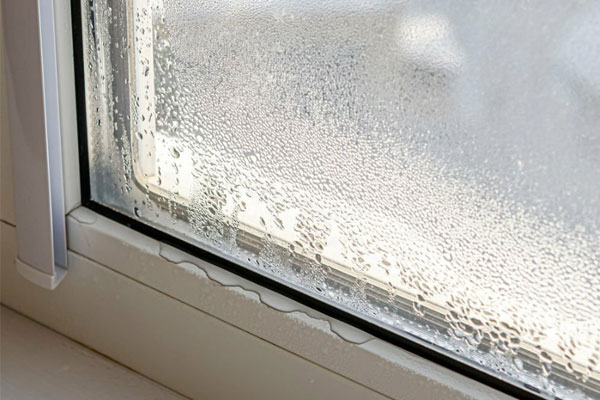
Condensation occurs when warm, moist air comes into contact with cold surfaces, causing water droplets to form. While it may seem harmless at first, condensation can quickly escalate into a serious problem if left untreated. Typical signs include:
• Water droplets on windows, mirrors, and tiles
• Black mould in corners of rooms or on walls
• Blue or green mould on wood, leather, or other surfaces
• Foul, musty odours
Condensation is particularly prevalent in areas with poor ventilation and minimal air circulation. Over time, persistent moisture can compromise your home’s structure, damage decorations, and create a breeding ground for mould, which can have serious health implications, especially for those with asthma or allergies.
At London Damp Proofing, we understand the risks associated with condensation and offer effective solutions to protect your home from its harmful effects.
What causes Condensation?
Understanding the root causes of condensation is essential to controlling it. In most cases, condensation arises from a combination of moisture production and inadequate ventilation. Some common contributors include:
• Poor Ventilation
Without proper airflow, moisture cannot escape and begins to accumulate on walls, ceilings, and windows. Over time, this trapped moisture can encourage mould growth and cause musty odours in your home. Improving airflow is a key step in keeping your property dry and comfortable.
• Poor Heating
Cold surfaces encourage condensation to form, particularly during the winter months. Rooms that are rarely heated often develop damp patches on walls and ceilings. Consistent heating helps maintain a balance between indoor temperature and humidity levels.
• Drying Clothes Indoors
Hanging wet laundry inside traps moisture in your home, raising humidity levels. This can make small areas of your property particularly prone to condensation, such as bedrooms or bathrooms. Using a dryer or ventilating rooms effectively can dramatically reduce this risk.
• Cooking Heat
Boiling water, frying, and other cooking activities release significant moisture into the air. Kitchens without adequate extractor fans or open windows can quickly become hotspots for condensation. Simple steps like covering pans and using ventilation can prevent moisture build-up.
• Bathing and Showers
Hot water produces steam, which condenses on cold surfaces if ventilation is insufficient. Bathrooms with poor airflow often develop damp corners and black mould on tiles or walls. Installing extractor fans and opening windows can help keep these areas dry.
• Structural Factors
Older buildings, single-glazed windows, and poorly insulated walls are more prone to condensation. These features create cold surfaces where moisture naturally accumulates. Investing in insulation or thermal upgrades can significantly reduce condensation risk.
By addressing these causes, homeowners can significantly reduce the likelihood of condensation forming and maintain a healthier home environment. Regular monitoring and preventative measures will also help protect both your property and your family’s well-being.
Signs Your Property Needs Condensation Control
Recognising the warning signs early is key to preventing long-term damage. Here are some indicators that your Essex property may need professional condensation control:
• Persistent Damp Patches
Dark, damp spots on walls or ceilings often indicate ongoing condensation issues. If left untreated, these patches can spread and weaken the wall structure. Early intervention prevents costly repairs and keeps your home safe.
• Black Mould Growth
Mould in corners, behind furniture, or on window frames is a strong sign of moisture build-up. This can affect air quality and may trigger allergies or respiratory issues. Professional treatment can remove mould and prevent it from returning.
• Peeling Paint or Wallpaper
Moisture can cause paint to blister or wallpaper to lift from the wall. This not only looks unsightly but also signals underlying condensation problems. Addressing the moisture source is crucial before redecorating.
• Musty Odours
A damp, stale smell in rooms or cupboards suggests that condensation is affecting your home. Persistent odours often indicate hidden mould or damp behind walls. Correcting ventilation and moisture levels can restore freshness to your home.
• Cold, Clammy Surfaces
Walls and window frames that feel unusually cold and damp are susceptible to condensation. These areas often attract mould growth and dust mites. Maintaining consistent heating and airflow helps reduce surface moisture.
• Condensation on Windows
If your windows frequently collect water droplets, it’s a clear signal that moisture levels are too high. Over time, this can damage window frames and sills, especially if they’re made of wood. Upgrading to double glazing or using thermal treatments can help prevent repeated condensation.
If you notice any of these signs in your home, it’s essential to take action quickly. Ignoring condensation can lead to more severe problems, such as structural damage, increased heating costs, and health risks from mould exposure. Early professional intervention ensures long-term protection for both your property and your family.
Condensation Control in Essex: Tips to Improve Your Home’s Air Quality & Prevent Damp
Managing condensation involves a combination of reducing moisture, improving ventilation, and maintaining consistent heating. By adopting these strategies, you can protect your home from damp, mould, and the structural issues associated with excess moisture.
Reduce Moisture Production
• Avoid Drying Clothes Indoors: If you must, use a tumble dryer or ventilate the room thoroughly.
• Cover Pans When Cooking: This prevents steam from spreading into the room.
• Use Extractor Fans: Kitchens and bathrooms should always have fans running while cooking or showering.
• Control Indoor Humidity: Dehumidifiers can be particularly useful in poorly ventilated rooms.
Improve Ventilation
• Open Windows Regularly: Even a small gap can allow moisture to escape.
• Install Trickle Vents: These small openings in window frames provide constant airflow without losing much heat.
• Use Air Bricks or Ventilated Skirting: In older properties, these features encourage airflow and reduce damp risk.
Heating and Insulation
• Maintain Consistent Heating: Avoid cold spots where condensation is likely to form.
• Insulate Cold Surfaces: Thermal-lined plasterboard can prevent cold walls from collecting moisture.
• Upgrade Windows: Double glazing reduces condensation on glass surfaces.
• Loft Insulation: Well-insulated lofts help maintain temperature balance throughout the home.
Regular Maintenance
• Check for Leaks: Leaky pipes or roofs can worsen condensation problems.
• Clean Gutters and Downpipes: Blockages can cause water ingress, adding to damp issues.
• Monitor Problem Areas: Keep an eye on windows, corners, and cold walls, especially during winter.
Professional Treatment Options
Sometimes, DIY measures are not enough. Professional treatments can include:
• Air or trickle vent installation
• Thermal-lined wall solutions
• Loft ventilation units
• Full condensation control inspections and follow-up treatments
By combining preventative measures with professional solutions, homeowners in Essex can significantly reduce condensation and maintain a healthier, more comfortable living environment.
How can we help?
At London Damp Proofing, we offer a comprehensive, professional service designed to tackle condensation at its source. Our approach is simple but effective:
• Contact & Inspection
We’ll assess your property and provide a free, no-obligation quote tailored to your needs. During the inspection, we identify problem areas, measure moisture levels, and advise on the most effective solutions for your home. This personalised assessment ensures that every treatment is targeted and long-lasting, giving you peace of mind.
• Treatment
Depending on the severity, we provide solutions ranging from vent installation to thermal wall treatments. Our expert team uses tried-and-tested methods to eliminate condensation and prevent it from returning. We also offer practical advice on how to maintain a healthy indoor environment and reduce humidity levels over time.
• Completion
We ensure your property is left clean and tidy, with a lasting solution to condensation issues. After treatment, we check that all measures are fully effective and explain any follow-up steps you may need. Our aim is to leave your home not only dry but also comfortable and safe for you and your family.
Our team is fully Triton-approved, meaning we use industry-leading products and techniques to protect your home. From lofts to basements, we’ve helped countless homeowners across Essex and London enjoy spaces free from damp and mould. With over 16 years of experience, we pride ourselves on delivering reliable, professional, and affordable solutions that last.
In Conclusion: Breathe Easy with a Damp-Free Home
Condensation may seem like a minor inconvenience, but over time, it can lead to severe structural damage and health risks. By understanding what causes condensation, recognising the signs early, and implementing effective control measures, you can protect your home and improve air quality.
At London Damp Proofing, we provide expert condensation solutions that are tailored to your property. Our professional, friendly team is here to ensure your home remains dry, safe, and comfortable all year round. Don’t let condensation take hold, contact us today and take the first step towards a healthier home.
FAQ
What is condensation?
Condensation is water that forms when warm, moist air comes into contact with cold surfaces, resulting in droplets.
What causes condensation in homes?
Common causes include poor ventilation, inadequate heating, cooking steam, drying clothes indoors, and bathing.
Is condensation dangerous?
While not immediately dangerous, long-term condensation can lead to mould growth, structural damage, and health issues.
How do I know if I have a condensation problem?
Look for signs such as black mould, damp patches, peeling wallpaper, musty odours, and water on windows.
Can I treat condensation myself?
Some measures, like ventilating rooms and using extractor fans, help, but severe cases require professional intervention.
How much does condensation treatment cost?
Costs vary depending on severity and treatment required. London Damp Proofing provides free no-obligation quotes.
How long does treatment take?
Treatment duration depends on the property and method used. Our team provides clear timelines after inspection.
Can condensation cause structural damage?
Yes, persistent moisture can damage walls, ceilings, timber, and plaster over time.
Do I need professional advice for minor condensation?
Yes. Even minor signs can escalate, and professional assessment ensures long-term protection.
Does improving ventilation help prevent condensation?
Absolutely. Adequate airflow reduces humidity and is one of the most effective preventative measures.
Don’t let condensation compromise your Essex home. Contact London Damp Proofing today for your quote. Our expert team is ready to provide professional condensation control solutions, safeguarding your home and improving your air quality.