Damp issues are a common concern for homeowners across the UK, especially with our notoriously wet and unpredictable weather. From rising damp in older properties to condensation in modern builds, moisture can creep in and cause significant damage if left unchecked. Not only can damp compromise the structural integrity of your home, but it can also impact health, leading to mould-related respiratory issues and allergies.
At London Dampproofing, we are a family-run business with three generations of experience in protecting homes from damp. Based in Aveley, we serve London, Essex, and Kent, offering a full range of services including rising damp treatment, dry rot remediation, condensation control, woodworm treatment, and waterproofing solutions. Our friendly, professional team is always just a phone call away and ready to respond to emergencies 24/7. In this blog post, we’ll guide you through understanding damp, how to identify it, and provide seasonal tips to keep your home dry and healthy all year round. For effective damp treatments, please get in touch with us today!
Understanding Damp: More Than Just a Moisture Problem
Many people think of damp as merely wet patches on walls, but in reality, damp can take many forms and cause serious long-term damage. It isn’t just an aesthetic issue – it can weaken building materials, ruin décor, and even affect the well-being of your family.
There are three main types of damp:
Rising Damp
Moisture from the ground that climbs walls through capillary action. This type of damp often appears as a tide mark on lower walls and can cause plaster to crumble over time. Without professional intervention, rising damp can lead to structural damage and persistent mould growth.
Penetrating Damp
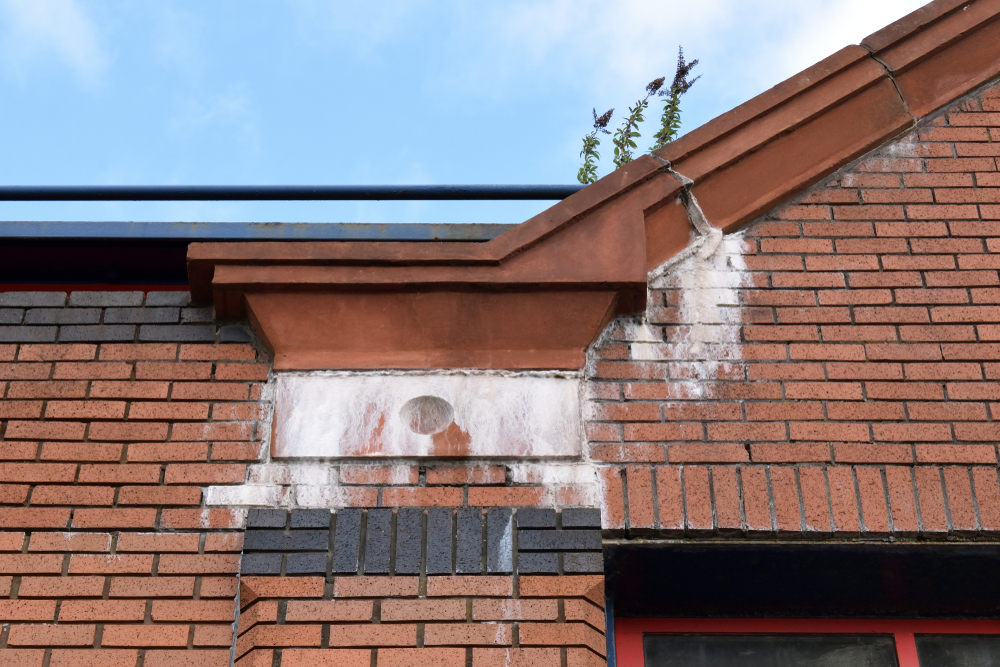
Water entering through external walls, roofs, or windows. It usually occurs after heavy rainfall and may affect both older and modern properties if there are cracks, faulty pointing, or leaking roofs. Left untreated, penetrating damp can damage timber, brickwork, and internal décor, and may lead to more serious water ingress issues.
Condensation
Moisture forming on cold surfaces due to indoor humidity. It is most common in kitchens, bathrooms, and poorly ventilated rooms, creating damp patches and encouraging mould growth. Persistent condensation can degrade paint, wallpaper, and even timber, making it a significant problem if ignored.
Understanding what damp is will help you tackle it effectively. At London Dampproofing, we specialise in diagnosing and treating all types of damp, ensuring your home remains safe, dry, and comfortable.
What Causes Damp? Identifying the Hidden Culprits
Damp doesn’t appear out of nowhere – it’s usually the result of underlying structural or environmental issues. Some of the most common causes include:
- Poor ventilation – Without adequate airflow, moisture accumulates indoors, leading to condensation. This is especially noticeable in kitchens, bathrooms, and utility rooms where steam and humidity are high. Over time, poor ventilation can encourage mould growth and cause unpleasant odours, making living spaces uncomfortable.
- Faulty or blocked gutters and drains – Water pooling near walls can seep in and cause damp patches. Leaves, moss, and debris can obstruct gutters, forcing water to overflow and penetrate walls. Regular maintenance is crucial, as prolonged exposure to water can damage brickwork and foundations.
- Rising damp – When the damp proof course in a building fails or is absent, moisture from the ground rises into walls. This usually affects the lower sections of walls and can lead to peeling paint, crumbling plaster, and a musty smell. If left untreated, rising damp can compromise the structural integrity of your home.
- Leaky roofs or broken pipes – Persistent water ingress creates penetrating damp. Even small leaks can allow water to travel along beams or walls, causing hidden damage over time. Roof repairs or plumbing issues left unresolved often result in costly repairs and extensive property damage.
- Cold bridging – Areas where insulation is poor or missing can become damp spots, particularly in corners or around windows. These cold spots encourage condensation as warm indoor air meets cooler surfaces. Cold bridging can lead to mould growth, deteriorating paintwork, and increased heating costs as heat escapes through poorly insulated areas.
By recognising these causes early, you can take preventative measures before damp causes structural or cosmetic damage. Our team at London Dampproofing can assess your property and provide tailored solutions to tackle the source of the problem, protecting both your home and your peace of mind.
Spotting Damp Early: How to Identify Signs in Your Home
Early detection is key to preventing costly repairs. Damp can often be subtle, so knowing what to look for is essential:
- Discolouration – Yellow, brown, or dark patches on walls and ceilings.
- Peeling paint or wallpaper – Moisture causes surfaces to lose adhesion.
- Musty odours – A persistent, damp smell often indicates hidden mould or rot.
- Visible mould growth – Black or green mould on walls, window frames, or skirting boards.
- Rotting wood – Doors, window frames, and skirting can warp or decay.
- Efflorescence – White, powdery deposits on walls from salts brought up by moisture.
Regular inspections, especially in basements, bathrooms, and attics, are crucial. If you notice any of these signs, it’s wise to contact experts like London Dampproofing immediately to prevent escalation.
Seasonal Tips for Maintaining a Damp‑Free Home in the UK
UK weather is famously unpredictable, with heavy rainfall, cold winters, and humid summers—all of which can exacerbate damp problems. A seasonal approach to home maintenance helps keep damp at bay throughout the year, while also protecting the structure and health of your home.
Spring: Refresh and Repair
- Check gutters and downpipes – Remove debris and ensure water flows freely. Blocked gutters can cause water to pool against walls, leading to penetrating damp. Regular cleaning also helps prevent ice damage in colder months and reduces the risk of leaks.
- Inspect roofs and tiles – Look for missing or cracked tiles and repair leaks promptly. Even small cracks can allow water to penetrate and create damp patches inside your home. Early detection in spring prevents major repairs during wetter months.
- Ventilate rooms – Open windows regularly to reduce humidity indoors. Spring air can naturally refresh your home, lowering the risk of condensation. Consider keeping internal doors open to improve airflow between rooms.
- Test damp proof courses – Spring is an ideal time for a professional inspection after winter rains. Ensuring your damp proof course is intact prevents rising damp from taking hold. Any issues detected now can be addressed before the wetter autumn and winter seasons.
- Clean and treat basements – Remove moisture build-up and consider waterproofing measures. Basements are particularly susceptible to damp after winter thaw and heavy rain. A proper spring treatment keeps them dry and prevents long-term structural damage.
Summer: Keep Airflow Strong
- Open windows and doors – Take advantage of warmer weather to improve ventilation. Fresh air circulation reduces humidity and discourages mould growth. Creating cross-ventilation through the home ensures that every room stays dry.
- Use extractor fans – Especially in kitchens and bathrooms to reduce condensation. Fans should run during and after showers or cooking to expel excess moisture. Keeping these areas dry prevents black mould and damp odours from developing.
- Monitor humidity – Consider using a hygrometer to keep indoor humidity below 60%. High humidity encourages condensation and mould growth, particularly in poorly insulated areas. Adjusting ventilation or using a dehumidifier during humid spells helps maintain a healthy environment.
- Check external walls – Summer sun may reveal cracks where rain could enter later. Filling and sealing these cracks now prevents water ingress during autumn storms. Regular inspection also helps identify areas where pointing or rendering may need maintenance.
Autumn: Prepare for Rain
- Inspect the roof – Ensure all repairs from summer maintenance are holding. Autumn storms can reveal weak points or leaks that weren’t noticeable in drier months. Early repairs reduce the risk of penetrating damp in your property.
- Seal cracks in walls and windows – Prevent water ingress during autumn storms. Even minor gaps can allow rainwater to penetrate, causing damage to plaster and timber. Proper sealing also improves energy efficiency as colder weather sets in.
- Clean gutters before leaves fall – Blocked gutters lead to overflowing water and damp walls. Removing leaves and debris ensures proper water flow and prevents winter blockages. This simple task can save substantial costs on repairs caused by water damage.
- Test damp proofing systems – Rising damp is more noticeable after heavy rainfall. Professional inspections now allow any weakened damp proof courses to be treated before winter. Maintaining your damp proofing system helps protect walls, floors, and internal décor.
Winter: Combat Cold and Condensation
- Keep heating consistent – Avoid drastic temperature drops, which can increase condensation. A steady indoor temperature prevents cold spots where moisture can collect. Heating only a few rooms while leaving others cold often worsens damp problems.
- Use dehumidifiers – Especially in poorly ventilated rooms. Dehumidifiers help remove excess moisture from the air, reducing mould growth and preventing musty odours. They are particularly useful in bedrooms, basements, and bathrooms during cold, damp months.
- Check loft insulation – Prevent cold bridging, which can cause damp patches. Proper insulation maintains consistent temperatures across surfaces and reduces condensation. Inspecting insulation for gaps or damage before winter ensures optimal protection.
- Vent bathrooms and kitchens – Use fans and open windows slightly after showers or cooking. Moisture from daily activities can quickly accumulate, leading to mould and damp patches. Even a few minutes of ventilation can make a significant difference in preventing condensation.
- Inspect for frozen pipes – Burst pipes can lead to severe penetrating damp. Insulate vulnerable pipes and ensure heating reaches all areas to avoid freezing. Early preventative action reduces the risk of water damage and costly repairs.
By taking a proactive, seasonal approach, you can significantly reduce the risk of damp and protect both your property and your family’s health. At London Dampproofing, we advise homeowners on the best preventative measures and provide professional treatments for any signs of moisture ingress, ensuring your home remains dry and comfortable throughout the year.
How London Dampproofing Can Help
We’re not just about fixing damp once it appears – we focus on long-term solutions to keep your home safe and dry. Our services include:
Rising Damp Treatment
Installation of chemical damp proof courses and plaster replacement. This prevents moisture from the ground travelling up walls and causing structural and cosmetic damage. Our team ensures the treatment is tailored to your property’s construction, guaranteeing a lasting solution.
Dry Rot Remediation
Treating and removing affected timber to prevent structural damage. Dry rot can weaken floors, beams, and joists if left untreated, posing serious safety risks. We use specialist treatments to eradicate the fungus and repair timber, restoring your home’s integrity.
Condensation Control
Ventilation solutions and advice on humidity management. Excess condensation can lead to mould, peeling wallpaper, and damage to furniture. We provide practical guidance, such as improving airflow and using extractor fans, as well as professional systems to maintain a healthy indoor environment.
Woodworm Treatment
Eradication of infestations that compromise timber. Woodworm larvae can silently damage wooden structures, including floors, skirting boards, and furniture. Our targeted treatments stop the infestation in its tracks and protect your timber from future attacks.
Waterproofing & Tanking
Protecting basements and below-ground structures from water ingress. Damp basements can cause structural issues and create unhealthy living conditions. We offer professional waterproofing solutions, including tanking and sealants, to keep water out and maintain dry, usable spaces.
Our family-run ethos means you receive friendly, honest advice combined with professional workmanship, tailored specifically to your property’s needs. We pride ourselves on delivering lasting solutions and ensuring our customers feel supported every step of the way, from initial inspection to completed works. Get in touch with us today for more information!
Protect Your Home, Protect Your Family
Damp is more than just an inconvenience – it can erode your home and your peace of mind. By understanding the causes of damp, spotting early signs, and following seasonal maintenance tips, you can safeguard your property all year round.
At London Dampproofing, we combine decades of experience with a personal, family-run approach to deliver effective, lasting solutions for every home. Don’t wait until damp becomes a problem – contact us today and let our experts ensure your property remains safe, dry, and comfortable.
FAQs
What is rising damp?
Rising damp occurs when water from the ground travels upward through walls via capillary action. Only professional treatment with a chemical damp-proof course can resolve it.
How can I tell if my home has condensation or mould?
Condensation appears as damp patches on cold surfaces, often leading to black mould. Poor ventilation and high indoor humidity are common causes.
Can damp damage my health?
Yes, prolonged exposure to mould and damp can cause respiratory issues, allergies, and exacerbate asthma.
How do I prevent damp in winter?
Keep heating consistent, ventilate rooms, use dehumidifiers, and inspect loft insulation to prevent cold bridging.
How often should I inspect my home for damp?
At least twice a year, ideally in spring and autumn, when seasonal changes may reveal hidden problems.
What is penetrating damp?
Water entering through external walls, windows, or roofs is known as penetrating damp and often results from structural defects or leaks.