When you move into a modern property, it is natural to expect a home that is dry, comfortable and protected from common building problems. However, new-build properties can still experience damp, condensation and moisture-related issues. Modern construction methods, building materials, ventilation systems and the way a property is heated can all influence how moisture behaves inside a home.
London Dampproofing is a local, friendly and efficient family-run business with three generations of experience. Based in Aveley, on the outskirts of London, we provide damp proofing and related property protection services across London, Essex and Kent. Our services include rising damp and damp proofing, condensation control, dry rot, woodworm, waterproofing and tanking.
In this guide, we explore whether modern homes get damp, the warning signs to look for and the common causes of damp in new-build properties. We will also explain practical steps homeowners can take to prevent problems and how professional damp treatment can help when moisture has already become an issue. Contact us today for more information!
Do modern homes get damp?
Yes, modern homes can get damp. New-build properties are designed using contemporary materials and construction standards, but this does not make them completely immune to moisture problems. Damp can develop for many reasons, from excess indoor humidity and inadequate ventilation to construction defects, plumbing leaks and faults affecting the building envelope.
One common misconception is that damp only affects old properties. Older buildings can certainly suffer from rising damp, penetrating damp and other problems, but newer properties can experience their own moisture-related issues. In fact, a tightly sealed modern home can sometimes retain more moisture indoors if ventilation and everyday habits are not properly managed.
New-build properties may also contain significant amounts of moisture following construction. Concrete, plaster, screed, mortar and other materials can retain water after installation. This moisture needs time and suitable ventilation and heating to dry out. If a property is occupied before it has dried sufficiently, condensation and mould can become more noticeable.
The important point is that damp is not an inevitable feature of a new home. Persistent moisture should be investigated rather than dismissed as something that will simply disappear. Identifying the source is essential because different types of damp require different solutions.
Signs of Damp in New-Build Properties
Recognising damp early can help prevent cosmetic damage and more extensive problems. Some signs are easy to spot, while others may be confused with normal condensation or drying after construction.
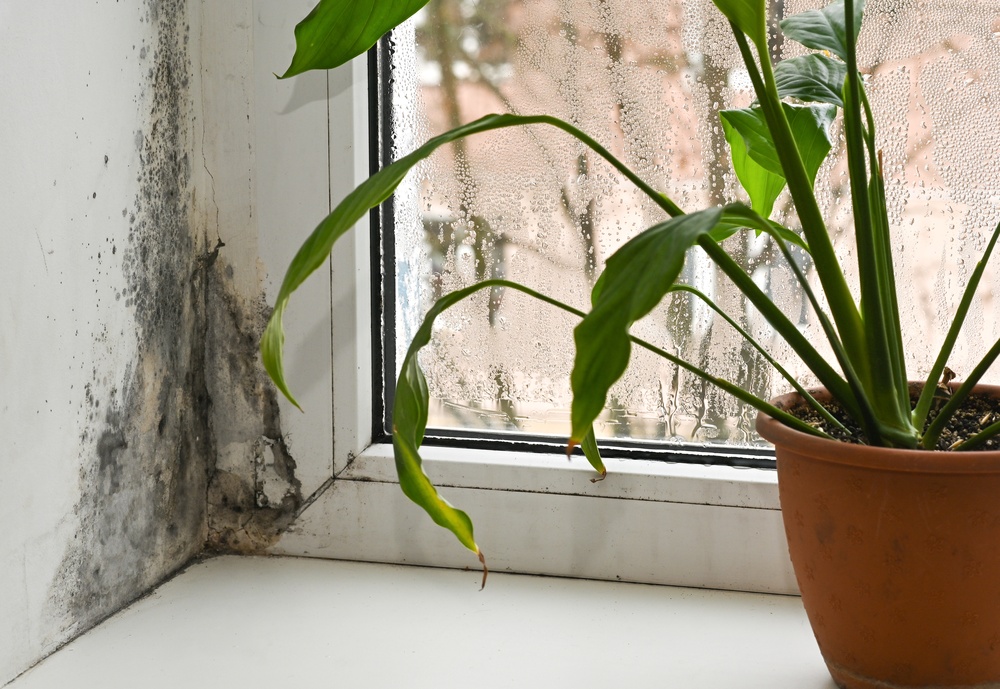
Visible mould is one of the most recognisable warning signs. Black, green or dark patches around windows, corners, ceilings and external walls can indicate excessive moisture. Mould is particularly common where warm, humid air meets colder surfaces.
A musty or stale smell can also suggest that moisture is accumulating within a room, wall or other part of the property. Even if you cannot see mould, a persistent damp smell should not be ignored.
Peeling paint, bubbling wallpaper or damaged plaster can indicate moisture behind or beneath a surface. You may also notice discolouration, staining or patches that repeatedly return after cleaning and redecorating.
Condensation on windows is another common sign. Occasional condensation can be normal, particularly in bathrooms and kitchens, but persistent moisture on glazing, frames or surrounding walls may indicate that humidity levels are too high.
Other warning signs include damp skirting boards, timber deterioration, crumbling finishes and unusually cold areas of wall. If you notice several of these symptoms, arranging a professional assessment can help establish what is causing the problem.
Causes of Damp in New-Build Properties
There is rarely one single cause of damp in every new-build home. The source can vary depending on the construction, location, materials and way the property is used. Understanding the most common causes can help homeowners respond appropriately.
Construction Moisture
New buildings can contain considerable moisture from the construction process. Materials such as concrete, screed, plaster and mortar need time to dry. If ventilation is limited or the property is heated inconsistently, moisture can remain trapped for longer than expected.
This is sometimes referred to as drying-out moisture. It should gradually reduce as the building dries, but persistent moisture should still be assessed to rule out other issues.
Condensation
Condensation is one of the most common causes of moisture problems in modern homes. Everyday activities such as cooking, showering, bathing and drying clothes release water vapour into the air.
Modern properties are often built to be more airtight and energy efficient. While this can help reduce heat loss, it also means that moisture needs an effective route out of the building. Without sufficient ventilation, humid air can settle on cooler surfaces and create conditions where mould develops.
Poor Ventilation
Bathrooms, kitchens and utility rooms produce high levels of moisture, so effective extraction is important. Problems can occur when extractor fans are missing, underperforming, incorrectly installed or rarely used.
Blocked vents, closed air vents or inadequate airflow can also contribute. Mechanical ventilation systems need to be correctly installed and maintained to work effectively.
Plumbing Leaks
A hidden plumbing leak can create moisture without being immediately obvious. Leaking pipes, waste connections, radiators, appliances and heating systems can allow water to enter floors, walls or ceilings.
If a damp patch appears suddenly or remains concentrated around a particular fitting, pipe or ceiling area, a plumbing issue should be considered.
Roof & External Defects
New does not always mean defect-free. Damaged roof coverings, poorly sealed joints, defective gutters, blocked downpipes and cracks around external openings can allow rainwater to enter.
Problems with seals around windows and doors can also contribute to penetrating damp. External defects should be identified and repaired rather than simply treating the internal symptoms.
Bridging & Construction Defects
Damp proof courses and other protective measures are designed to prevent moisture moving through a building. However, poor detailing, defective installation or bridging can compromise their effectiveness.
For example, materials or external ground levels that come into contact with a damp proof course can create a route for moisture to bypass the intended barrier. These issues need careful investigation before remedial work is recommended.
Groundwater & Below-Ground Moisture
Basements, cellars and other below-ground areas face particular moisture challenges because walls and floors are exposed to surrounding ground. Waterproofing and tanking systems can provide protection, but defects or inadequate systems can result in water ingress.
These causes can sometimes occur together, making it difficult to identify the source of damp from visible symptoms alone. If moisture continues to appear despite normal ventilation, heating and maintenance, professional damp investigation can help establish the underlying cause and determine the most appropriate treatment.
How To Prevent Damp in Your New Build Property
Preventing damp is usually easier than dealing with extensive damage later. Good ventilation is one of the most important measures. Use extractor fans during and after showers and cooking, and avoid blocking ventilation openings.
Maintain a consistent level of heating rather than allowing rooms to become extremely cold. Warmer surfaces are less likely to encourage condensation, particularly when combined with good airflow.
Try to reduce excess moisture indoors. When drying clothes, use ventilation and consider drying them in a suitable area rather than allowing large amounts of moisture to enter living spaces.
Keep windows, vents and extractor fans clean and unobstructed. If a ventilation system appears noisy, weak or ineffective, arrange professional maintenance rather than ignoring the problem.
Regularly inspect gutters, downpipes, roof areas, window seals and external walls. Small defects can become larger moisture problems if water is allowed to enter repeatedly.
Finally, act quickly when you notice mould, staining, unusual smells or recurring condensation. Early investigation can help identify whether the issue is lifestyle-related, construction-related or caused by a more serious defect.
Damp Treatment Specialists: How can we help?
If damp is affecting your new-build property, London Dampproofing can help identify the likely source and recommend a suitable solution. We provide professional damp proofing and property protection services for domestic and commercial customers, as well as architects, surveyors, local authorities and housing associations.
Our services cover rising damp and damp proofing, condensation, dry rot, woodworm, waterproofing and tanking. This broad experience is important because damp symptoms can have different causes. Treating the visible mark without addressing the source may allow the problem to return.
Where rising damp is confirmed, appropriate damp proofing measures can be considered. For below-ground spaces, waterproofing and tanking can help protect walls and floors from moisture. Where condensation is responsible, the focus may instead be on ventilation, humidity and improving the movement of air through the property.
London Dampproofing is based in Aveley and serves London, Essex, Kent and surrounding areas. As a family-run business with three generations of experience, we aim to provide a friendly and practical service. We also operate a 24-hour help line throughout the week for emergencies.
A professional assessment can give you confidence about what is happening. Rather than assuming every damp patch is rising damp, we can consider the wider circumstances and help determine the most suitable approach. Contact us today!
In Conclusion: Protect Your New Home from Damp
A new-build property should provide a comfortable and healthy environment, but modern construction does not make a home completely immune to moisture. Condensation, construction moisture, plumbing leaks, ventilation problems and external defects can all contribute to damp.
The good news is that many damp problems can be managed when the cause is identified early. Paying attention to warning signs and maintaining good ventilation, heating and property maintenance can make a significant difference.
If you are concerned about damp, mould, condensation or water ingress in your new-build property, London Dampproofing is here to help. Contact our experienced team to discuss your property and find out how our damp proofing, waterproofing and moisture control services could help protect your home.
FAQs
Can a new-build house have damp?
Yes. New-build properties can experience condensation, construction moisture, plumbing leaks, penetrating damp and other moisture-related problems. A new home should not automatically be assumed to be free from damp.
Why does my new-build house have condensation?
Condensation occurs when warm, moisture-filled air meets a cooler surface. Cooking, showering, bathing and drying clothes can increase humidity, while limited ventilation can prevent moisture from escaping.
Is condensation normal in a new-build?
Some condensation can occur in any home, particularly during colder weather. However, persistent condensation, mould or recurring damp patches should be investigated to identify the underlying cause.
How long does new-build moisture take to dry?
There is no single drying time because it depends on construction materials, ventilation, heating, weather and the amount of moisture present. Persistent damp should be professionally assessed rather than left indefinitely.
Can poor ventilation cause damp?
Yes. Poor ventilation can allow humidity to build up indoors. Over time, moisture can settle on cooler surfaces and contribute to condensation, mould and damage to finishes.
Can a new-build have rising damp?
A new-build should have appropriate measures to prevent rising moisture, but defects, bridging or other construction issues can affect protection. A professional assessment is needed before identifying a problem as rising damp.
What should I do if I find mould?
Do not simply clean the mould and assume the issue is solved. Look for signs of excess humidity, leaks or moisture ingress and consider arranging a professional assessment if the mould returns or is widespread.
Can a leaking pipe cause damp?
Yes. Hidden plumbing leaks can allow water to enter walls, ceilings and floors. A sudden or localised damp patch should be investigated promptly to identify whether a leak is responsible.
Can damp damage a new-build property?
Persistent moisture can damage plaster, paint, wallpaper, timber and other materials. Addressing the cause early can reduce the risk of extensive repairs.
When should I call a damp proofing specialist?
Contact a specialist if damp patches, mould, musty smells, recurring condensation or water ingress persist despite normal maintenance. Professional advice can help establish the cause and appropriate treatment.
Do not let damp problems undermine the comfort or condition of your new-build home.
London Dampproofing provides experienced damp proofing, rising damp, condensation, dry rot, woodworm, waterproofing and tanking services across London, Essex and Kent. Get in touch today to discuss your property and find the right solution for your moisture problem.