Older London properties are full of charm, character and history. From Victorian terraces to Edwardian townhouses, these buildings reflect traditional craftsmanship and architectural beauty. However, alongside their unique appeal, period properties often face a common challenge – damp.
At London Dampproofing, we specialise in diagnosing and treating damp problems in older homes across London, Essex and the surrounding areas. As a family-run business with three generations of experience, we provide reliable, honest and effective damp proofing solutions tailored to the needs of each property. Our services include rising damp treatment, condensation control, woodworm treatment, basement waterproofing, dry rot treatment and full restoration work.
In this blog post, we explore the 5 common causes of damp in older London properties, explain how these issues develop, and provide expert advice on how to fix them. We will also discuss the importance of addressing damp early and share practical prevention tips to help protect your home long-term. Whether you are a homeowner, landlord, property developer or buyer, understanding damp is key to preserving the structural integrity, appearance and value of older buildings. Contact us today for more information!
5 Common Causes of Damp in Older London Properties (& How to Fix Them)
Older properties were built using materials and construction techniques that differ from modern homes. While these buildings were designed to breathe naturally, changes in lifestyle, heating habits and renovations can sometimes lead to moisture becoming trapped within walls, floors and ceilings.
Understanding the root cause of damp is essential in choosing the right treatment. Below are the five most common causes of damp in older London homes, along with practical solutions.
1. Rising Damp
Rising damp occurs when groundwater travels upward through porous building materials such as brick, mortar and stone. Many older London properties were constructed before modern damp-proof courses (DPCs) became standard practice, meaning moisture can move freely through walls via capillary action.
Signs of rising damp include tide marks on walls, peeling paint, damaged plaster and a musty smell. Left untreated, rising damp can weaken structural materials and create conditions for mould growth.
How to fix it:
Installing a chemical damp-proof course is the most effective solution for rising damp. This creates a protective barrier that prevents moisture from travelling upward. Replastering with specialist breathable materials may also be required to restore affected walls.
2. Condensation
Condensation is one of the most common causes of damp in both older and newer homes. It occurs when warm, moisture-laden air comes into contact with cooler surfaces such as windows, walls or ceilings.
Older properties may be particularly vulnerable due to changes such as double glazing installation or blocked fireplaces, which can reduce natural ventilation. Everyday activities, including cooking, bathing and drying clothes indoors, contribute to excess moisture.
How to fix it:
Improving ventilation is key. Installing extractor fans, ensuring adequate airflow, using dehumidifiers and maintaining consistent heating levels can significantly reduce condensation. Identifying lifestyle factors that contribute to excess humidity is also important.
3. Penetrating Damp
Penetrating damp occurs when water enters a property through external defects such as damaged brickwork, cracked render, leaking gutters or broken roof tiles. Older properties may have experienced decades of exposure to weather, making them more susceptible to wear and tear.
Signs include damp patches on walls or ceilings, particularly after rainfall, as well as blistering plaster and mould growth.
How to fix it:
Repairing structural defects is the first step. This may involve repointing brickwork, repairing roofing materials, clearing gutters and sealing external cracks. Once the source of water ingress is resolved, internal repairs can be completed.
4. Poor Drainage Around the Property
Inadequate drainage systems can cause water to accumulate around foundations, increasing the likelihood of damp entering the building. Older homes may have outdated or damaged drainage systems that struggle to cope with heavy rainfall.
Blocked drains, poorly positioned downpipes or raised external ground levels can contribute to moisture problems.
How to fix it:
Improving drainage around the property can help direct water away from walls and foundations. This may involve repairing guttering, installing drainage channels or adjusting external ground levels to reduce water pooling.
5. Basement Moisture and Waterproofing Issues
Many London properties include basements or cellars, which naturally sit below ground level. These areas are particularly vulnerable to moisture penetration due to surrounding soil pressure and water accumulation.
Without proper waterproofing, basements can develop persistent damp problems, mould growth and structural damage.
How to fix it:
Professional waterproofing or tanking systems create a protective barrier that prevents water from entering below-ground spaces. This ensures basements remain dry and usable, whether for storage or living space.
Addressing the root cause of damp is essential for long-term results. Temporary fixes often fail to resolve the underlying problem, leading to recurring issues. Professional assessment ensures the correct treatment is applied the first time.
The Importance of Treating Damp in Older Properties
Damp should never be ignored. Even minor signs of moisture can indicate underlying structural issues that may worsen over time. Treating damp early helps maintain the integrity, safety and value of your property.
Older buildings rely on a careful balance of breathable materials and proper ventilation. When moisture becomes trapped, it can compromise both aesthetics and structural performance. Addressing damp quickly helps preserve original features while preventing avoidable damage.
Below are key reasons why treating damp in older properties is essential:
Protecting Structural Integrity
Excess moisture can weaken plaster, brickwork and timber over time. Treating damp early helps prevent deterioration that could lead to more extensive structural repairs.
Preventing Timber Damage
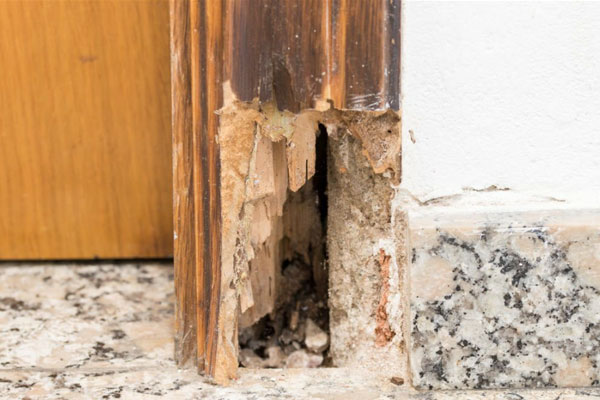
Timber elements such as floor joists, skirting boards and roof structures are particularly vulnerable to damp conditions. Professional treatment reduces the risk of rot and woodworm infestation that can compromise stability.
Reducing Risk of Mould Growth
Persistent moisture creates the ideal environment for mould to develop. Damp treatment helps maintain a healthier indoor environment and prevents mould spores from spreading throughout the property.
Preserving Interior Finishes
Damp can cause paint to peel, wallpaper to lift and decorative finishes to deteriorate. Resolving moisture issues helps maintain the appearance of walls, ceilings and floors.
Maintaining Property Value
Properties affected by damp can lose market appeal and may raise concerns during surveys. Addressing damp professionally helps protect the long-term value of your home.
Improving Indoor Air Quality
Moisture problems can contribute to musty odours and poor air quality. Damp proofing helps create a fresher and more comfortable living environment.
Enhancing Energy Efficiency
Wet materials conduct heat more easily than dry materials, meaning damp walls can reduce insulation performance. Treating damp supports improved thermal efficiency and comfort.
Preventing Unpleasant Odours
Trapped moisture often causes persistent musty smells that can affect the overall atmosphere of a home. Proper damp treatment eliminates the source of these odours.
Avoiding Costly Repairs
Small damp problems can quickly escalate if left untreated. Early intervention helps reduce the likelihood of more expensive restoration work later.
Supporting Survey Compliance
When buying or selling a property, damp issues identified in surveys may delay or affect transactions. Professional treatment ensures your property meets expected standards.
Damp problems rarely resolve themselves. Over time, untreated moisture can lead to costly repairs that could have been avoided through early intervention.
Investing in professional damp proofing not only protects your home but also provides peace of mind that your property remains safe, comfortable and structurally sound.
How To Prevent Damp in Older Properties
Prevention is always better than a cure. While older properties are naturally more vulnerable to damp issues, there are several practical steps homeowners can take to minimise risk.
Understanding how moisture behaves within a building helps create a healthier indoor environment and reduces the likelihood of recurring problems.
Here are effective ways to prevent damp in older homes:
- Ensure gutters and downpipes are kept clear of debris
- Check roofing materials regularly for signs of damage
- Maintain adequate ventilation throughout the property
- Avoid drying clothes indoors without proper airflow
- Use extractor fans in kitchens and bathrooms
- Maintain consistent indoor heating levels
- Repair cracks in brickwork or render promptly
- Avoid blocking air bricks or ventilation points
- Monitor humidity levels within the home
- Ensure external ground levels remain below damp proof course level
- Address plumbing leaks as soon as they are detected
- Allow walls to breathe by using appropriate paints and materials
- Schedule regular property inspections
- Consider professional waterproofing for basements
- Seek expert advice when renovating older buildings
Preventative maintenance helps preserve the longevity and character of period properties while reducing the risk of expensive repairs.
Taking proactive steps ensures your home remains comfortable, safe and protected from moisture damage.
How can we help?
London Dampproofing provides comprehensive damp proofing services tailored specifically to older London properties. With extensive experience working on period homes, we understand the unique challenges these buildings present.
Our services include:
- Rising damp treatment using chemical damp proof courses
- Condensation control solutions
- Dry rot identification and treatment
- Woodworm treatment and prevention
- Basement waterproofing and tanking systems
- Structural damp repairs
- Plaster restoration and decoration
- Property inspections and expert advice
As a trusted family-run business, we pride ourselves on delivering honest assessments and effective solutions. Our team works efficiently, maintains clean working environments and ensures minimal disruption to your home. We serve homeowners, landlords, architects, surveyors, housing associations and commercial clients across London, Essex and surrounding areas.
Our goal is to protect your property and restore healthy living conditions through proven damp treatment methods. Get in touch with us today!
In Conclusion: Protecting London’s Character Homes for the Future
Older London properties are an important part of the city’s heritage. Their charm and craftsmanship deserve to be preserved for generations to come.
Understanding the causes of damp is the first step in protecting your home from structural damage, health risks and costly repairs. By identifying problems early and seeking professional treatment, homeowners can ensure their properties remain comfortable, safe and valuable.
London Dampproofing combines traditional knowledge with modern techniques to deliver reliable damp proofing solutions tailored to period homes. If you suspect damp in your property, taking action today can prevent more serious issues in the future. Get in touch with us today!
FAQs
What are the first signs of damp in a property?
Common early signs include musty smells, peeling paint, mould growth, discoloured walls and cold or damp surfaces.
Is damp common in older London homes?
Yes, many period properties were built before modern damp-proofing techniques became standard, making them more vulnerable to moisture issues.
Can damp affect property value?
Yes, untreated damp can reduce property value and may cause issues during surveys or mortgage applications.
How long does damp proofing treatment last?
Professional damp proofing treatments can last for many years when properly installed and maintained.
Is mould always caused by damp?
Mould often develops in areas with excess moisture, particularly where ventilation is limited.
Can I fix the damp myself?
Some minor preventative measures can help, but a professional diagnosis ensures the correct treatment is applied.
What causes condensation in older homes?
Condensation often results from poor ventilation, inconsistent heating and everyday activities such as cooking or bathing.
How long does damp treatment take?
Treatment times vary depending on the severity of the problem and the size of the affected area.
Can damp return after treatment?
If underlying causes are not fully addressed, damp may return. Professional assessment helps prevent recurring issues.
Do you offer property inspections?
Yes, London Dampproofing provides expert assessments to identify damp issues and recommend appropriate solutions.
If you are experiencing damp issues in your property, London Dampproofing is here to help. Our experienced team provides reliable, cost-effective solutions designed specifically for older London homes. Contact London Dampproofing todayto arrange a professional assessment and protect your property from damp for years to come.