Damp is one of the most common yet overlooked issues affecting homes across London and the surrounding areas. Left untreated, it can lead to structural damage, health concerns, and costly repairs. That’s why early detection is so important.
At London Dampproofing, we are a trusted, family-run business with three generations of experience in diagnosing and treating all types of damp problems. Based in and around London, we specialise in rising damp, condensation control, dry rot treatment, woodworm, and basement waterproofing solutions for residential and commercial properties.
In this blog post, we’ll guide you through how to spot the early signs of damp in your home, why it matters, how to prevent it, and what to do if you suspect a problem is developing. Understanding these warning signs early can save you time, money, and stress in the long run. If you require fast and reliable damp treatments, please get in touch with us today to see how we can help!
Damp rarely appears overnight. It usually starts subtly and worsens over time if ignored. Recognising the early indicators can make all the difference in protecting your property. Many homeowners fail to notice the warning signs until the damage becomes severe and costly to repair. Understanding what to look for can help you act quickly and protect both your home and your health.
Musty or Unpleasant Odours
One of the first signs of damp is a persistent musty smell, often described as earthy or stale. This odour is caused by excess moisture, encouraging mould and mildew growth behind walls, under floors, or in poorly ventilated areas. If the smell lingers even after cleaning, it may be a sign of hidden damp. These odours are particularly common in basements, cupboards, and unused rooms where airflow is limited. A lingering damp smell should never be ignored, as it often points to moisture problems developing out of sight.
Discoloured or Stained Walls
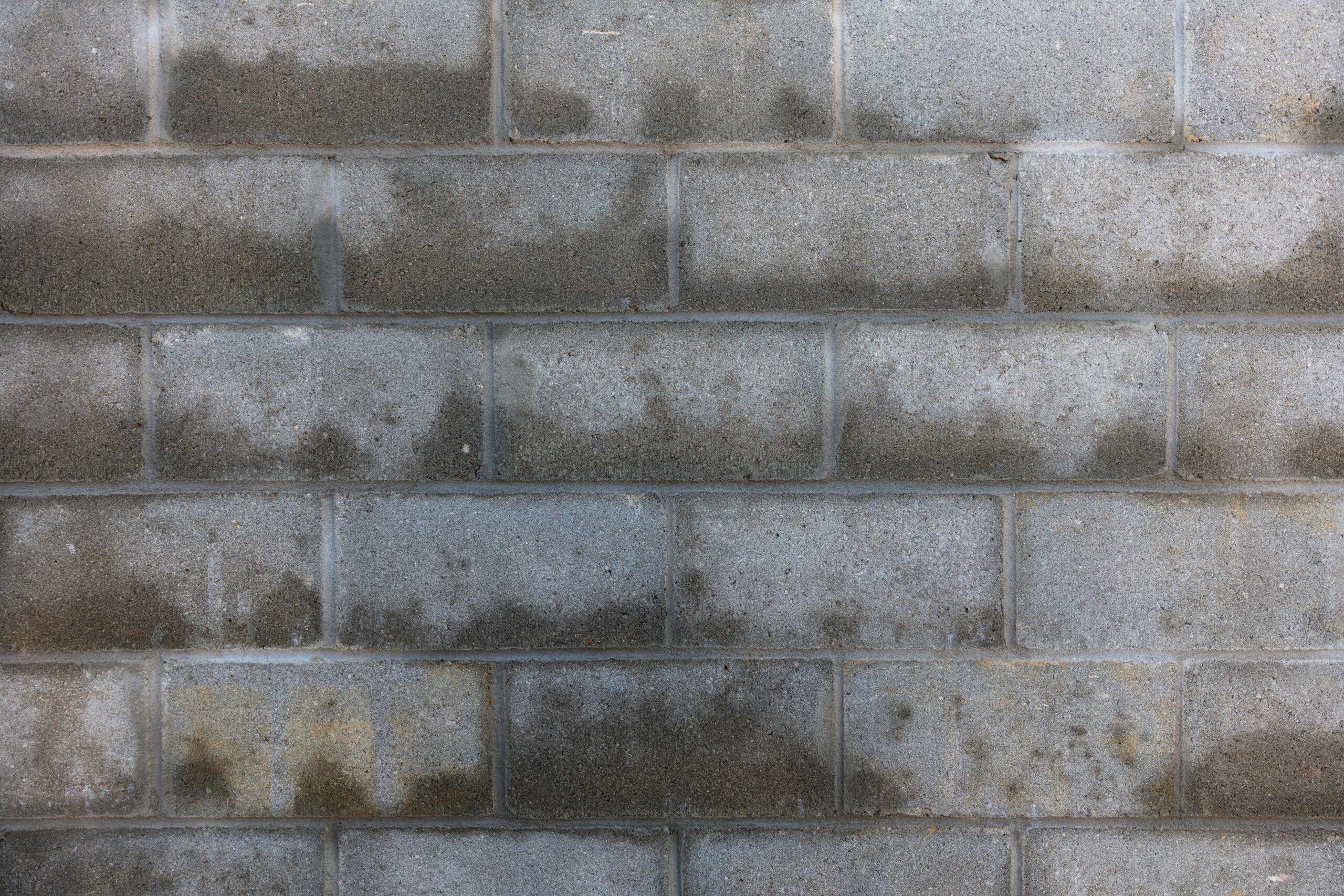
Brown, yellow, or dark patches appearing on ceilings or walls are a strong indicator of moisture ingress. These stains often grow gradually and may spread over time. They can appear near windows, ceilings, or at the base of walls, depending on the source of the damp. In some cases, the stains may become darker after periods of rainfall or colder weather. Ignoring wall discolouration can allow the moisture issue to spread further throughout the property.
Peeling Wallpaper or Bubbling Paint
When moisture becomes trapped behind wall coverings, it causes wallpaper to lift or paint to bubble and flake. This is particularly common in older properties where damp proofing may have deteriorated over time. You may also notice cracks forming in the paintwork or uneven wall surfaces developing over time. These cosmetic issues are often early warnings that moisture is affecting the condition of your walls internally.
Cold or Damp Walls
Walls that feel cold and damp to the touch, even when the heating is on, may suggest excess moisture within the structure. This is often a sign of poor insulation combined with damp penetration. Cold walls can also encourage condensation, creating an ongoing cycle of moisture build-up. If left untreated, damp walls can gradually weaken plaster and decorative finishes throughout the room.
Mould Growth in Corners and Hidden Areas
Black, green, or white mould commonly appears in corners, behind furniture, or in poorly ventilated spaces such as bathrooms and kitchens. Mould thrives in damp conditions and should never be ignored. In addition to damaging surfaces, mould can spread rapidly if moisture levels remain high. Exposure to mould spores may also contribute to respiratory problems and allergies, particularly in children and older adults.
Condensation on Windows
While occasional condensation is normal, persistent moisture on windows—especially in the mornings – can point to poor ventilation and excess humidity levels in the home. Over time, this excess moisture can spread to surrounding walls, curtains, and window frames. If condensation is left unresolved, it can eventually lead to mould growth and damage to internal finishes.
Rotting Skirting Boards or Woodwork
Damp can cause timber to soften, warp, or rot over time. If skirting boards, door frames, or floorboards appear damaged or crumbly, moisture may already be present within the structure. You may also notice peeling paint or a spongy texture in affected timber areas. Rotting woodwork should be addressed quickly to prevent structural damage and more extensive repairs later on.
Salt Deposits on Walls (Efflorescence)
White, powdery deposits forming on brickwork or plaster are caused by salts being drawn out of the wall by moisture. This is a clear sign of penetrating or rising damp. Efflorescence is commonly found in basements, ground-floor walls, and older buildings with poor damp protection. Although the deposits themselves are harmless, they indicate ongoing moisture movement within the property that requires professional attention.
These warning signs may seem minor at first, but they often indicate a deeper issue developing within your property. Acting quickly can prevent further deterioration and expensive repairs. Early intervention can also help maintain a healthier and more comfortable living environment for you and your family. If you notice any of these symptoms in your home, seeking professional advice as soon as possible is always the best course of action.
The Importance of Treating Damp in Your Home
Damp is not just a cosmetic issue – it can significantly impact your property’s structure and your wellbeing if left untreated. Many homeowners underestimate how quickly damp can spread and the level of damage it can cause over time. Addressing damp problems early helps protect your home, preserve its value, and maintain a safe and comfortable living environment.
Protecting Structural Integrity
Moisture can weaken walls, floors, and timber structures over time. If ignored, it can lead to serious structural damage that requires extensive repair work. Damp can gradually break down plaster, brickwork, and wooden supports within the property. By treating damp early, you can avoid long-term structural issues and maintain the strength and stability of your home.
Preventing Health Issues
Damp conditions encourage mould growth, which can trigger respiratory problems, allergies, and asthma. Maintaining a dry home is essential for a healthy living environment. Prolonged exposure to mould spores can especially affect vulnerable individuals such as children, older adults, and those with existing health conditions. Treating damp quickly helps improve indoor air quality and creates a healthier atmosphere throughout the home.
Avoiding Expensive Repairs
The longer the damp is left untreated, the more costly it becomes to fix. Early intervention can prevent the need for major restoration work. Small patches of damp can eventually spread behind walls, under floors, and into structural timber if not addressed. Investing in professional damp treatment now can save homeowners from significant repair bills in the future.
Preserving Property Value
A damp-free home maintains its market value. Evidence of damp can deter potential buyers or reduce the price of your property. Surveyors and mortgage lenders often flag damp issues during property inspections, which can delay or complicate a sale. Keeping your property dry and well-maintained helps protect your investment and gives buyers greater confidence.
Improving Comfort and Living Conditions
Damp homes often feel colder and less comfortable. Eliminating moisture improves indoor air quality and overall comfort. Excess moisture in the air can create unpleasant smells and make rooms feel clammy throughout the year. A dry, well-maintained property is not only healthier but also far more enjoyable to live in on a daily basis.
Protecting Belongings
Furniture, clothing, and personal belongings can also be damaged by prolonged exposure to damp conditions. Fabrics may develop mould, while wooden furniture can warp or deteriorate over time. Electronics, books, and sentimental items may also suffer irreversible damage if moisture problems are allowed to continue unchecked.
Treating damp is not optional – it is essential for protecting your home, health, and investment. The sooner it is addressed, the better the outcome. Ignoring the warning signs can lead to larger structural problems and unnecessary costs later down the line. Seeking professional support at the earliest stage ensures the problem is correctly identified and resolved before it worsens.
How To Prevent Damp in Your Home
Prevention is always better than a cure when it comes to damp. Small changes in your home environment can make a big difference. Many damp problems develop gradually due to excess moisture and poor property maintenance. Taking preventative action early can help protect your home, improve comfort, and reduce the risk of costly repairs in the future.
Improve Ventilation
Ensure your home is well ventilated, especially in kitchens and bathrooms. Use extractor fans and open windows regularly to allow moisture to escape. Proper airflow helps reduce condensation build-up, which is one of the leading causes of damp and mould growth. Even simple habits such as leaving internal doors open can improve air circulation throughout the property.
Control Indoor Humidity
Avoid drying clothes indoors where possible, and consider using a dehumidifier to regulate moisture levels. Everyday activities such as cooking, showering, and laundry can add significant moisture to the air inside your home. Keeping humidity levels under control can help prevent condensation from forming on walls, windows, and ceilings.
Keep Gutters and Drains Clear
Blocked gutters can cause rainwater to overflow and penetrate external walls, leading to damp issues. Leaves, debris, and dirt should be removed regularly to ensure rainwater flows away from the property properly. Neglected drainage systems can eventually cause water damage to both external and internal walls over time.
Maintain Heating Consistently
Keeping a steady indoor temperature helps reduce condensation and prevents cold spots where moisture can form. Sudden temperature changes can increase the likelihood of damp developing in poorly insulated areas. Consistent heating also helps walls and surfaces remain dry during colder months of the year.
Check for Leaks Regularly
Inspect plumbing, roofs, and external walls for leaks. Even small leaks can lead to significant damp problems over time. Water escaping from damaged pipes or roofing materials can spread unnoticed behind walls and beneath flooring. Carrying out regular property checks can help identify issues before they become more serious and expensive to repair.
Ensure Proper Damp Proofing
Older properties may require updated damp-proof courses to prevent rising damp. Professional assessment is recommended if you suspect an issue. Over time, existing damp proofing systems can weaken or fail, allowing ground moisture to travel up through walls. Having your property professionally inspected can provide peace of mind and ensure your home remains protected.
By adopting these preventative measures, you can significantly reduce the risk of damp developing in your home and avoid costly repairs in the future. Consistent maintenance and good ventilation are key to keeping your property dry, healthy, and structurally sound. If you are concerned about damp in your home, seeking professional advice early can help prevent the problem from escalating further.
How Can We Help?
At London Dampproofing, we provide expert diagnosis and treatment for all types of damp-related issues. Whether you’re dealing with rising damp, condensation, dry rot, or waterproofing concerns, our experienced team is here to help.
We offer tailored solutions based on your property’s specific needs, ensuring long-lasting protection and peace of mind. With three generations of experience, we understand how to identify the root cause of damp and resolve it efficiently and effectively.
From initial inspection to full treatment and restoration, we are committed to delivering a reliable, friendly, and professional service across London, Essex, and surrounding areas. If you require fast and reliable damp treatments, please get in touch with us today to see how we can help!
In Conclusion: Protect Your Home Before Damp Takes Hold
Damp doesn’t fix itself – it gets worse over time. Recognising the early warning signs and taking action quickly is the key to protecting your home from long-term damage. Whether it’s a musty smell, peeling paint, or visible mould, these are all signals that should not be ignored. Acting early can save you thousands in repair costs and safeguard your property’s structure and value. If you suspect damp in your home, don’t wait for it to escalate. Contact the specialists at London Dampproofing today for expert advice and professional treatment.
FAQs
What causes damp in homes?
Damp is usually caused by excess moisture entering the property through leaks, rising damp, or condensation from poor ventilation.
How can I tell if I have damp or condensation?
Condensation usually appears on windows, while damp often shows as stains, mould, or peeling paint on walls and ceilings.
Is damp dangerous to health?
Yes, damp can lead to mould growth, which may trigger asthma, allergies, and respiratory issues.
Can I treat damp myself?
Minor condensation issues can sometimes be managed, but structural damp should always be assessed by professionals.
What is rising damp?
Rising damp occurs when moisture travels up through walls from the ground due to a failed damp-proof course.
How quickly does damp spread?
Damp can spread gradually but will worsen over time if the source of moisture is not addressed.
Does heating help reduce damp?
Heating can reduce condensation, but it will not solve underlying damp issues caused by structural problems.
How much does damp proofing cost?
Costs vary depending on the severity and type of damp, so a professional survey is recommended.
Can damp damage my home permanently?
Yes, if left untreated, damp can cause long-term structural damage and timber decay.
Who should I call for damp problems?
You should contact a professional damp specialist, such as London Damp Proofing, for a full assessment and treatment plan.
Ready to Protect Your Home?
Don’t let damp take control of your home. If you’ve noticed any early signs or want peace of mind, get in touch with the experts at London Dampproofing today. Our friendly, experienced team is ready to inspect, diagnose, and resolve your damp issues before they get worse.