Condensation is one of the most common property issues affecting homes throughout Essex. While it may initially appear as a minor inconvenience, persistent condensation can lead to mould growth, structural damage, unpleasant odours, and even health concerns for occupants. Left untreated, excess moisture can impact walls, ceilings, windows, furniture, and personal belongings, creating costly problems over time.
At London Damp Proofing, we specialise in providing effective, affordable, and long-lasting condensation control solutions for homeowners across Essex and surrounding areas. As a family-run business with over 16 years of experience, we have helped countless homeowners identify the root causes of condensation and implement tailored treatments that deliver lasting results.
Our fully comprehensive condensation services include professional inspections, ventilation improvements, thermal upgrades, loft unit installations, wall treatments, and more. Every property is different, which is why we provide bespoke solutions designed around your home’s specific needs.
In this guide, we will explain what condensation is, what causes it, how to identify it, the most effective condensation control techniques used by professionals in Essex homes, and practical ways to prevent it from returning. Contact us today for more information!
What is condensation?
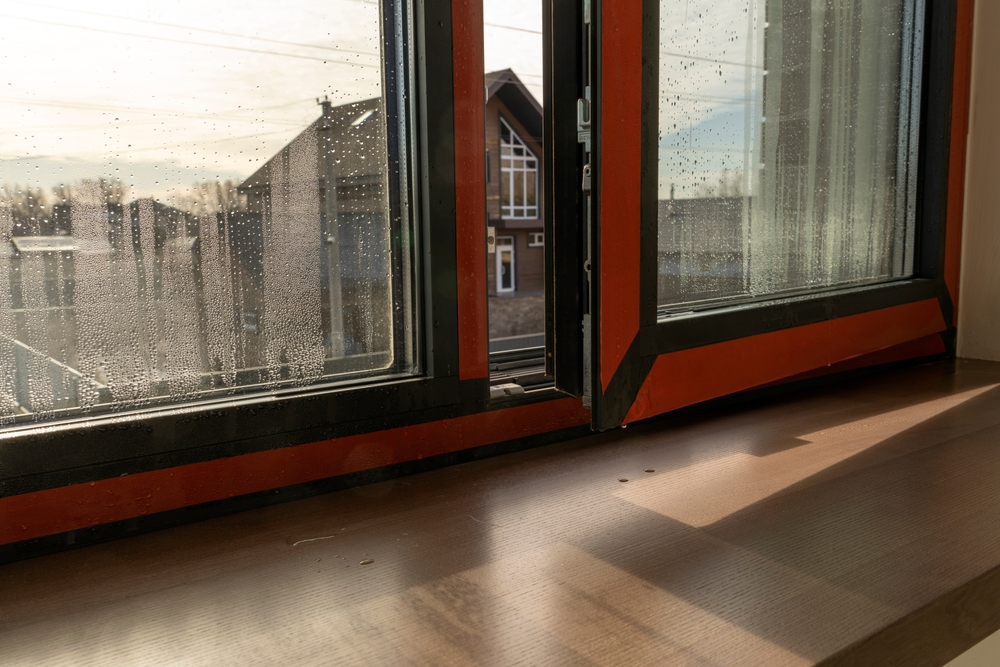
Condensation occurs when warm, moisture-laden air comes into contact with a colder surface. As the warm air cools, it loses its ability to hold moisture, causing water droplets to form.
This process commonly appears on:
- Windows
- Walls
- Ceilings
- Mirrors
- Skirting boards
- Cold corners of rooms
- Inside cupboards and wardrobes
Condensation is especially noticeable during colder months when the difference between indoor and outdoor temperatures is greater.
Common signs of condensation include:
- Water droplets on windows
- Damp patches on walls
- Black mould growth
- Peeling wallpaper
- Musty smells
- Mould growth on wood, leather, and fabrics
Areas with poor airflow are particularly vulnerable because moisture cannot evaporate effectively. Over time, condensation can contribute to serious mould infestations and may aggravate respiratory conditions such as asthma and allergies.
What causes condensation?
Condensation forms when excess moisture inside the home cannot escape efficiently. Modern homes are often well sealed for energy efficiency, but without proper ventilation, moisture becomes trapped indoors.
Several factors can contribute to condensation:
Poor Ventilation
One of the most common causes of condensation is inadequate airflow. Without sufficient ventilation, moist air remains trapped inside the property and settles on cold surfaces.
Poor Heating
Homes that are heated inconsistently often experience condensation. Walls and surfaces become cold, increasing the likelihood that moisture in the air will condense.
Drying Clothes Indoors
Wet laundry releases significant amounts of moisture into the air. Drying clothes on radiators without adequate ventilation can rapidly increase humidity levels.
Cooking
Boiling pans, steaming vegetables, and using kettles all release moisture into the atmosphere. Without extractor fans or open windows, this moisture accumulates quickly.
Bathing and Showering
Bathrooms generate large amounts of water vapour. Without proper extraction systems, moisture spreads throughout the property.
Everyday Living
Even simple daily activities such as breathing, cleaning, and houseplant maintenance contribute moisture to indoor air.
While these everyday activities are completely normal, they can collectively create significant levels of moisture within the home when not properly managed. Understanding the underlying causes of condensation is the first step towards implementing effective solutions that protect your property, improve indoor air quality, and prevent issues such as mould growth and damp-related damage.
How To Identify Condensation in Your Property
Early identification is essential to prevent long-term damage. Here are the most common signs homeowners should watch for:
Water on Windows
Perhaps the clearest indicator of condensation is water droplets forming on the inside of windows, particularly in the morning.
Black Mould Growth
Black mould often appears around window frames, on external walls, in corners, and behind furniture.
Damp Smells
Persistent musty odours usually indicate trapped moisture and developing mould growth.
Peeling Wallpaper and Paint
Excess moisture can weaken adhesives and finishes, causing wallpaper to peel and paint to blister.
Discoloured Walls and Ceilings
Brown, grey, or dark patches may indicate persistent moisture accumulation.
Mould Inside Cupboards and Wardrobes
Areas with restricted airflow are highly susceptible to condensation-related mould.
Cold, Damp Surfaces
Walls that feel cold and damp to the touch may indicate excessive condensation.
If you notice any of these signs, a professional inspection can determine the severity of the issue and identify the most effective treatment options.
Top Condensation Control Techniques Used by Experts in Essex Homes
Professional condensation control involves addressing both the symptoms and the root causes of excess moisture. At London Damp Proofing, our specialists use a range of proven techniques to create healthier, drier homes.
1. Comprehensive Property Inspection
Every successful condensation treatment begins with a detailed property inspection. Our experienced specialists assess moisture levels, ventilation performance, insulation quality, existing mould growth, surface temperatures, and any building defects that may be contributing to excess humidity. By carrying out a thorough survey, we can accurately identify the underlying cause of the problem and recommend the most effective treatment plan for your property.
2. Installation of Air Vents
Air vents are an effective solution for improving airflow throughout the home and reducing the build-up of moisture-laden air. By encouraging fresh air circulation, they help lower humidity levels, improve indoor air quality, and reduce the risk of condensation forming on cold surfaces. Strategically installed vents can make a significant difference in areas that are particularly prone to dampness and mould growth.
3. Trickle Vent Installation
Trickle vents are discreet ventilation systems fitted into window frames that provide a constant supply of fresh air without requiring windows to be fully opened. They allow moist air to escape while helping maintain comfortable indoor temperatures. This simple yet effective solution is particularly beneficial in modern, energy-efficient homes where natural airflow is often restricted.
4. Positive Input Ventilation (PIV) Systems
Positive Input Ventilation (PIV) systems are commonly installed in loft spaces and work by gently introducing filtered fresh air into the property. This continuous airflow helps dilute humid indoor air, reducing condensation and improving overall ventilation throughout the home. Many homeowners across Essex have seen substantial improvements in condensation issues after installing a professionally fitted PIV system.
5. Thermal-Lined Plasterboard Installation
Cold wall surfaces are one of the leading contributors to condensation problems, particularly in older properties. Thermal-lined plasterboard provides an additional layer of insulation that helps keep walls warmer and reduces the likelihood of moisture forming. Alongside minimising condensation, this solution can also improve energy efficiency and make living spaces more comfortable throughout the year.
6. Improved Loft Insulation
Poor loft insulation can allow heat to escape from the home, resulting in colder surfaces that encourage condensation. Upgrading loft insulation helps maintain a more consistent indoor temperature, reducing the formation of cold spots and limiting moisture build-up. As an added benefit, improved insulation can also help lower energy bills and enhance overall thermal performance.
7. Upgrading Extractor Fans
Kitchens and bathrooms generate large amounts of moisture through everyday activities such as cooking, bathing, and showering. High-performance extractor fans remove humid air directly from these spaces before it has the opportunity to spread throughout the property. Upgrading older or ineffective extraction systems can often provide an immediate reduction in condensation levels.
8. Secondary Glazing Solutions
Windows are often among the coldest surfaces in a property, making them particularly vulnerable to condensation. Secondary glazing adds an additional insulating layer that helps keep internal glass surfaces warmer and reduces the formation of water droplets. This solution not only helps tackle condensation but can also improve energy efficiency and reduce external noise.
9. Mould Remediation Treatments
Where condensation has already resulted in mould growth, professional mould remediation is often required as part of the overall treatment process. Simply removing visible mould without addressing the source of moisture is unlikely to provide a lasting solution. Professional treatment helps eliminate existing mould, reduce airborne spores, and create a healthier indoor environment while preventing future outbreaks.
10. Long-Term Moisture Management Strategies
The most effective condensation control plans focus on long-term prevention as well as immediate treatment. Our experts provide practical advice on maintaining good ventilation habits, using heating effectively, reducing indoor moisture production, and carrying out routine maintenance. By combining professional improvements with simple lifestyle adjustments, homeowners can enjoy lasting protection against condensation and mould.
No two properties are exactly alike, which is why professional condensation control should always be tailored to the specific needs of the home. By combining the right treatments with expert advice and ongoing moisture management, homeowners can significantly reduce condensation problems and create a healthier, more comfortable living environment for years to come.
How Condensation is Treated by London Damp Proofing
Our condensation treatment process follows three simple stages.
Contact & Inspection
The process begins with an initial consultation and property survey.
We inspect affected areas, carry out moisture testing, and identify the most appropriate solutions before providing a FREE no-obligation quotation.
Treatment
Depending on the severity of the problem, we may recommend:
- Air vents
- Trickle vents
- Loft ventilation units
- Thermal-lined plasterboard
- Insulation improvements
- Ventilation upgrades
Each solution is carefully selected to address your property’s specific needs.
Completion
Once the work is completed, we remove all waste materials and leave your property clean and tidy.
Our team remains available to answer any questions and provide ongoing support.
How To Prevent Condensation
Preventing condensation is often easier and more affordable than treating extensive mould damage. Here are some practical steps homeowners can take:
Produce Less Moisture
Reducing moisture generation helps keep humidity levels under control.
Consider the following:
- Avoid drying clothes on radiators
- Use lids on saucepans when cooking
- Open windows when possible
- Vent tumble dryers properly
Increase Ventilation
Fresh airflow is essential for removing excess moisture.
Good practices include:
- Using extractor fans
- Opening windows regularly
- Keeping air vents unobstructed
- Installing professional ventilation systems
Improve Insulation
Better insulation helps keep surfaces warmer and less susceptible to condensation.
Options include:
- Loft insulation
- Thermal-lined wall systems
- Secondary glazing
- Draught-proofing improvements
Maintain Consistent Heating
Short bursts of intense heating often create temperature fluctuations that encourage condensation.
Instead:
- Keep heating at a steady low temperature
- Avoid dramatic temperature changes
- Warm rooms evenly throughout the property
Rearrange Furniture
Large furniture placed against external walls can restrict airflow.
Allowing small gaps behind furniture can improve air circulation and reduce condensation risk.
Creating a Healthier, Drier Home for Years to Come
Condensation may be common in Essex homes, but it should never be ignored. What begins as a few water droplets on a window can quickly develop into mould growth, structural damage, unpleasant odours, and ongoing health concerns.
By understanding the causes of condensation and implementing proven control measures such as improved ventilation, thermal upgrades, insulation improvements, and professional moisture management, homeowners can protect their property and enjoy a healthier indoor environment.
At London Damp Proofing, we have over 16 years of experience providing effective, affordable, and fully comprehensive condensation solutions throughout Essex and the surrounding areas. Our expert team delivers tailored treatments designed to tackle the root cause of condensation and prevent it from returning. Get in touch with us today!
FAQs
Is condensation dangerous?
While condensation itself is not dangerous, it can lead to mould growth, which may affect respiratory health and damage property.
What rooms are most affected by condensation?
Bathrooms, kitchens, bedrooms, utility rooms, and poorly ventilated living spaces are most commonly affected.
Does opening windows help reduce condensation?
Yes. Opening windows improves ventilation and allows excess moisture to escape.
Can condensation damage walls?
Yes. Persistent condensation can cause staining, peeling paint, damaged plaster, and mould growth.
Why is condensation worse during winter?
Colder temperatures create colder surfaces, increasing the likelihood of moisture condensing.
Can insulation help stop condensation?
Yes. Proper insulation keeps surfaces warmer, reducing moisture formation.
What is a Positive Input Ventilation system?
A PIV system introduces filtered air into the home, helping reduce humidity and improve airflow.
How long does condensation treatment take?
Treatment times vary depending on the property’s size, the severity of the problem, and the chosen solution.
How much does condensation treatment cost?
Costs vary according to the extent of the issue and the treatment required. A professional survey provides the most accurate quotation.
Should I seek professional help for condensation?
If condensation is persistent, causing mould growth, or affecting multiple rooms, professional assessment is highly recommended.
Contact London Damp Proofing Today
If you’ve noticed condensation, mould growth, damp patches, or poor ventilation in your home, don’t wait for the problem to worsen. Contact London Damp Proofing today for a FREE no-obligation quote and discover how our professional condensation control solutions can help protect your property, improve indoor air quality, and create a warmer, healthier home for your family.