Damp is one of the most common property problems affecting homes and commercial buildings across London and the surrounding areas. Left untreated, it can damage plaster, brickwork, timber, paintwork and decorations while creating an unhealthy indoor environment through excess moisture and mould growth. One of the biggest challenges for property owners is understanding the type of damp they are dealing with, as rising damp and penetrating damp have different causes and require different treatment methods.
At London Damp Proofing, we have been helping homeowners and businesses solve damp problems for over 16 years. As a trusted, family-run company, we provide comprehensive damp proofing solutions throughout London and Essex, tailored treatments and a 30-year guarantee on all chemical damp proof course (DPC) treatments. Whether you’ve noticed damp patches, peeling wallpaper, musty odours or mould growth, our experienced team can accurately diagnose the issue and provide long-lasting solutions that protect your property and your investment. Contact us today!
What is rising damp?
Rising damp is a specific type of damp caused by moisture travelling upwards from the ground through the porous materials used to construct a building, including bricks, mortar and stone. This process, often referred to as capillary action, allows groundwater to move vertically through walls when there is no effective barrier preventing it.
Modern buildings are constructed with a damp proof course (DPC), which acts as a waterproof barrier to stop moisture rising from the ground. However, if this barrier has deteriorated, was incorrectly installed, has become bridged or is missing altogether, rising damp can develop.
Although rising damp is frequently discussed, it should only be diagnosed following a professional inspection, as other forms of damp can produce similar symptoms.
What causes rising damp?
Several issues can allow moisture to rise through a property’s walls, including:
A Damaged Damp Proof Course
Over time, older damp proof courses may fail due to age, wear or deterioration.
Incorrect Installation
Some older properties were built before modern damp-proof courses became mandatory, while others may have poorly installed DPCs.
Bridged Damp Proof Course
External paths, flower beds, driveways or steps can be raised above the level of the DPC, allowing moisture to bypass the protective barrier.
Porous Masonry
Brickwork and mortar naturally absorb moisture. Without a functioning DPC, groundwater can gradually rise through these materials.
Common Signs of Rising Damp
Knowing what to look for can help prevent further damage.
Typical signs include:
- Tide marks on internal walls up to approximately one metre high
- Damp or rotting skirting boards
- White salt deposits appearing on walls
- Peeling paint
- Bubbling plaster
- Wallpaper lifting away from the walls
- Musty odours
- Black mould developing in affected areas
If you notice several of these warning signs, it is important to arrange a professional damp survey.
How is rising damp treated?
At London Damp Proofing, we provide a fully comprehensive treatment process.
Initial Inspection
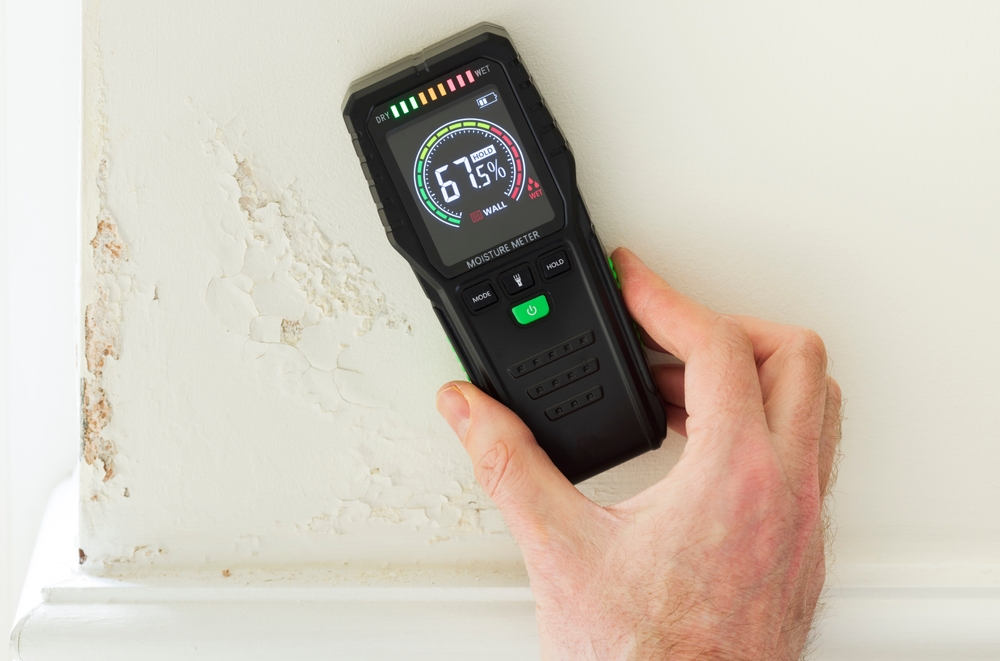
Our experienced surveyors inspect the affected walls using specialist testing equipment to identify the exact cause of the damp before recommending the most suitable solution.
Preparation
The damaged plaster is carefully removed, usually up to one metre above the highest visible signs of damp. Any affected skirting boards can also be removed if necessary.
Chemical Damp Proof Course
A specialist chemical damp proof course is injected into the masonry to create a new moisture barrier that prevents groundwater from rising through the wall.
Replastering
Following treatment, walls are rendered using a specialist additive before being replastered and finished, ensuring salts trapped within the masonry do not affect future decorations.
Clean Completion
Once all work has been completed, we remove waste materials and leave your property clean, tidy and ready for redecorating once the walls have dried.
What is penetrating damp?
Unlike rising damp, penetrating damp occurs when water enters a building horizontally through external defects rather than travelling upwards from the ground.
Rainwater is the most common source. When external walls, roofs or drainage systems become damaged, water can penetrate the structure and create damp patches inside.
Penetrating damp can affect properties of any age and may appear anywhere on walls or ceilings, depending on where the water is entering.
If ignored, penetrating damp can lead to extensive internal damage, including damaged plaster, mould growth and wet rot within structural timbers.
What causes penetrating damp?
There are numerous causes of penetrating damp.
Damaged Roof Tiles
Broken or missing roof tiles allow rainwater to enter loft spaces and ceilings.
Leaking Gutters and Downpipes
Overflowing or cracked guttering can repeatedly soak external walls, eventually allowing water to penetrate inside.
Cracked Brickwork
Damaged bricks or deteriorated pointing create pathways for rainwater.
Defective Rendering
Cracked render loses its waterproof properties, allowing moisture into the wall.
Faulty Window or Door Seals
Damaged sealants around windows and doors often allow water ingress during heavy rainfall.
Plumbing Leaks
Internal leaking pipes can also mimic penetrating damp if left unnoticed.
Signs of Penetrating Damp
Common symptoms include:
- Damp patches that become worse after rainfall
- Damp ceilings
- Localised wall staining
- Peeling paint
- Blistering plaster
- Mould growth
- Wet rot in timber
- Damp smells
Unlike rising damp, penetrating damp can appear at any height on a wall or ceiling.
Rising vs. Penetrating Damp: What’s the Difference and How to Treat Each
Understanding whether you’re dealing with rising damp or penetrating damp is essential because each problem has completely different causes and requires different solutions. Misdiagnosing damp often results in unnecessary work while the underlying issue continues to worsen.
A professional survey is always the best way to determine the exact cause of damp, but understanding the key differences can help property owners recognise the warning signs early.
The Source of Moisture
The biggest difference lies in where the water originates.
Rising damp begins beneath your property. Moisture from the ground travels upwards through brickwork and mortar because the damp-proof course has failed or become bridged.
Penetrating damp, on the other hand, originates externally. Rainwater enters through damaged roofs, walls, windows or drainage systems before soaking into internal walls.
Correctly identifying the moisture source is the first step towards successful treatment.
Where the Damp Appears
Location is another important clue.
Rising damp almost always affects the lower sections of walls, generally no higher than one metre above floor level.
Penetrating damp can appear virtually anywhere, including upper floors, chimney breasts, ceilings and around windows.
The location often provides valuable insight during a professional inspection.
Visible Signs
Although both forms of damp cause staining and decoration damage, they present differently.
Rising damp commonly produces:
- Tide marks
- White salts
- Rotten skirting boards
- Peeling wallpaper
- Damp plaster near floor level
Penetrating damp is more likely to produce:
- Random damp patches
- Water staining after rainfall
- Ceiling damage
- Localised mould
- Wet rot in roof timbers
These subtle differences help experienced specialists diagnose the problem accurately.
Weather Dependence
Penetrating damp is heavily influenced by weather conditions.
Many homeowners notice damp patches becoming worse during periods of prolonged or heavy rainfall before drying out during warmer weather.
Rising damp is generally much more consistent because groundwater remains present throughout the year.
Monitoring when damp appears can provide useful diagnostic clues.
Structural Impact
Both forms of damp can seriously affect a property if ignored.
Rising damp gradually damages plaster, decorations and timber joinery while allowing moisture to weaken masonry over many years.
Penetrating damp often causes more rapid damage to ceilings, insulation, roof structures and internal timbers because water is continually entering from outside.
Early intervention significantly reduces repair costs.
Treatment Methods
Each damp problem requires a completely different solution.
Rising damp treatment focuses on restoring the moisture barrier through chemical damp proof course installation, specialist rendering and replastering.
Penetrating damp treatment begins by identifying and repairing the external defect, whether that involves roof repairs, gutter maintenance, brick repointing, crack repairs or replacing damaged seals around windows and doors.
Simply treating internal symptoms without addressing the source will not solve either problem.
Why Professional Diagnosis Matters
Many damp symptoms look remarkably similar.
Condensation, plumbing leaks, penetrating damp and rising damp can all produce mould, staining and peeling decorations.
Professional damp specialists use years of experience alongside moisture testing equipment to determine the exact cause before recommending treatment. This prevents unnecessary expense while ensuring the problem is permanently resolved.
When you choose experienced professionals, you receive a solution tailored specifically to your property rather than a one-size-fits-all approach.
Why Damp Treatments are So Important
Ignoring damp can have serious long-term consequences for both your property and your health.
Professional damp proofing helps to:
- Protect your property’s structural integrity.
- Prevent costly repairs in the future.
- Reduce the risk of wet rot and timber decay.
- Prevent mould growth that may affect indoor air quality.
- Improve comfort throughout your home.
- Preserve the value of your property.
- Extend the lifespan of internal finishes.
- Increase buyer confidence if you decide to sell.
Investing in professional treatment now can save significant expense later.
How can we help?
At London Damp Proofing, we understand that every property is different. That’s why we never recommend treatments until we’ve carried out a comprehensive inspection to determine the true cause of the problem.
With more than 16 years of industry experience, our knowledgeable team provides reliable, honest advice alongside cost-effective damp proofing solutions that deliver lasting results.
Our services include:
- Rising damp treatment
- Chemical damp proof course installation
- Penetrating damp treatment
- Damp surveys
- Replastering following damp treatment
- Timber preservation
- Waterproofing solutions
As Triton Approved Contractors, we use high-quality damp proofing systems trusted throughout the industry. Every project is completed to a high standard with minimal disruption, and our chemical treatments are backed by a 30-year guarantee for complete peace of mind.
Whether you own a Victorian terrace, a modern family home or a commercial property, our experienced team can provide an effective solution tailored to your building.
Protect Your Property with Professional Damp Proofing
Damp should never be ignored. Whether you’re dealing with rising damp caused by groundwater or penetrating damp resulting from external defects, identifying the correct problem is the key to protecting your property for years to come. Early diagnosis and professional treatment prevent further structural damage, reduce repair costs and create a healthier living environment for you and your family.
At London Damp Proofing, we combine more than 16 years of experience with industry-approved products, expert workmanship and outstanding customer service to deliver long-lasting damp proofing solutions across London and Essex. From detailed inspections and honest advice to comprehensive rising damp and penetrating damp treatments, we’re committed to helping homeowners restore their properties with confidence. Contact us today!
FAQs
Is rising damp common in UK homes?
Yes. Rising damp is one of the more common damp problems in older UK properties, particularly where the damp proof course has failed or is missing.
Can rising damp disappear on its own?
No. Without addressing the underlying cause, rising damp will continue to affect the property.
Does penetrating damp only happen when it rains?
Usually, yes. Penetrating damp often becomes worse during heavy rainfall because water is entering through external defects.
Can mould indicate damp?
Yes. Excess moisture encourages mould growth, although mould can also develop due to condensation.
How long does rising damp treatment take?
Most domestic treatments are completed within a few days, depending on the size of the affected area.
Will walls need replastering after rising damp treatment?
In most cases, yes. Removing contaminated plaster helps eliminate salts and allows specialist materials to be applied.
Can penetrating damp damage brickwork?
Yes. Long-term water penetration can weaken mortar joints, damage bricks and contribute to further structural deterioration.
How can I prevent penetrating damp?
Regular maintenance is essential. Keep gutters clean, repair damaged roofs, repoint deteriorating brickwork and ensure windows and doors remain properly sealed.
Is professional damp diagnosis necessary?
Absolutely. Many damp issues produce similar symptoms, so an accurate diagnosis ensures the correct treatment is applied.
If you’ve noticed damp patches, peeling paint, mould, musty odours or any other signs of damp, don’t wait for the problem to become more serious.
Contact London Damp Proofing today for a tailored quote. Our experienced team is ready to inspect your property, identify the cause of the damp and provide a tailored, long-lasting solution backed by our 30-year guarantee on chemical damp proof course treatments.